
Women's Mental Health, Drug, & Alcohol Treatment
How Canopy Pines provides safe, supportive care and healing for women
Designed for Women
At Canopy Pines, treatment is designed to provide more than temporary stabilization. Our program is structured to help women understand the underlying factors contributing to substance use and mental health struggles while developing the emotional, psychological, and practical skills necessary for lasting recovery.
Many women entering treatment are managing far more than addiction alone. They may also be struggling with trauma, anxiety, depression, chronic stress, emotional dysregulation, unhealthy relationship patterns, burnout, grief, or years of functioning in survival mode. Because of this, treatment at
Canopy Pines is individualized, trauma-informed, and centered around whole-person healing. Our approach combines psychiatric care, evidence-based psychotherapy, structured therapeutic programming, experiential therapies, wellness support, and family involvement within a compassionate and clinically sophisticated residential environment.
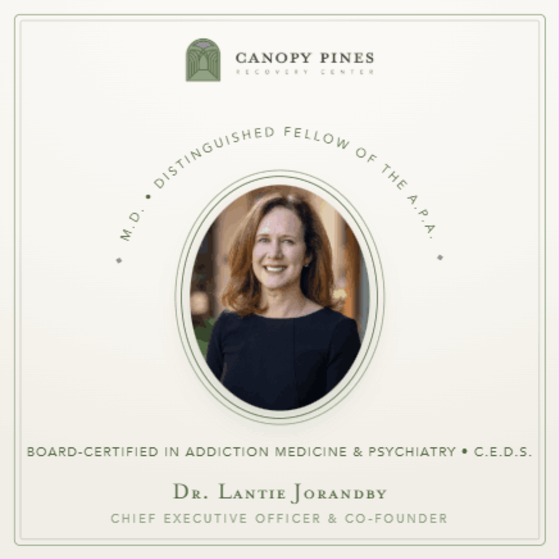
Founded and Led By Dr. Lantie Jorandby
Dr. Lantie Jorandby has dedicated her professional life to treating women with mental illness and addiction, and she is among the most credentialed addiction psychiatrists practicing in the United States today. She is triple board-certified in general psychiatry, addiction psychiatry, and addiction medicine.
Mental Health Primary:

Substance Abuse Treatment:

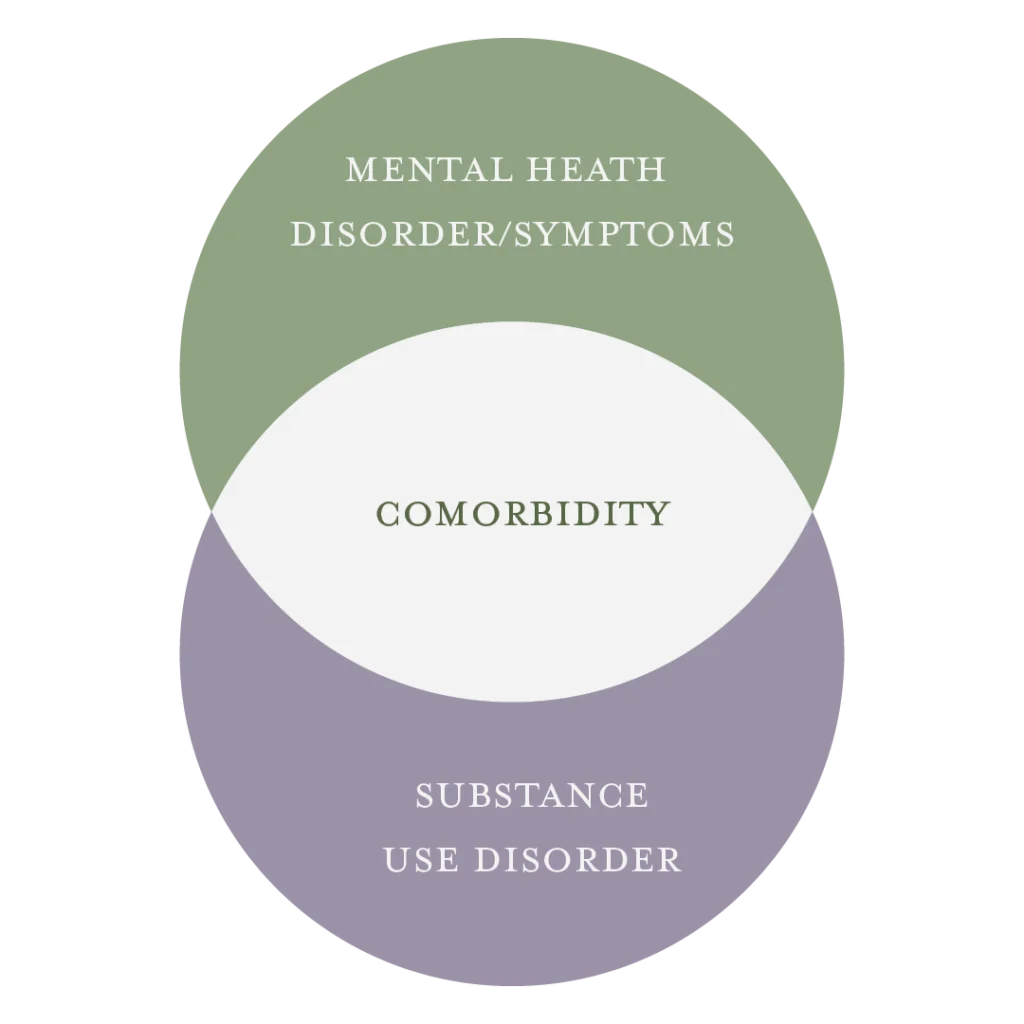
Dual Diagnosis Overview:
The Treatment Process
Comprehensive Assessment and Evaluation
Treatment begins with an assessment process designed to help our clinical team understand and personalize our approach to each person’s unique needs, strengths, challenges, and goals.
- Psychiatric evaluation
- Medical and nursing assessment
- Substance use history
- Mental health assessment
- Trauma screening
- Medication review
- Family and relationship history
- Strengthen motivation for change
- Risk and and safety assessment
- Develop relapse prevention strategies
- Increase emotional awareness and self-understanding
- Cognitive Behavioral Therapy (CBT)
- Dialectical Behavior Therapy (DBT)
- Motivational Interviewing
- Trauma-informed psychotherapy
- EMDR and ART specialty services when clinically appropriate
Our therapists work with residents to create a safe and supportive therapeutic relationship grounded in trust, accountability, and compassion.
Therapies At Canopy Pines
Canopy Pines integrates psychiatric and medical support into the treatment experience to help ensure comprehensive and coordinated care. Because mental health and substance use disorders are often interconnected, psychiatric and clinical teams work collaboratively to support stabilization and treatment progress.
- Psychiatric evaluations
- Medication management
- Ongoing psychiatric monitoring
- Nursing support
- Coordination regarding co-occurring conditions
Many women entering treatment have experienced trauma, chronic stress, emotional abuse, grief, loss, or painful relationship dynamics that continue to impact emotional functioning and coping patterns. These experiences help residents reconnect with themselves in ways that often feel more accessible than traditional therapy alone.
- Creating emotional safety
- Avoiding shame-based treatment approaches
- Understanding trauma and nervous system dysregulation
- Helping residents develop grounding and emotional regulation skills
- Coordination regarding co-occurring conditions
Residents meet regularly with their primary therapist for individualized psychotherapy focused on their personal treatment goals and clinical needs. Group therapy allows residents to recognize shared experiences, reduce isolation, practice interpersonal skills, and receive support within a structured therapeutic community.
- Stabilize emotionally and physically
- Develop healthy coping strategies
- Improve emotional regulation
- Address trauma and unresolved emotional pain
- Understand relapse patterns and triggers
- Strengthen communication and boundaries
- Build healthier routines and relationships
- Prepare for long-term recovery and transition planning
- Improve self-awareness and insight
Group therapy is a central part of treatment and provides opportunities for emotional growth, peer support, skill development, and increased self-awareness. Residents are helped to better understand the connection between past experiences, current emotional responses, and unhealthy coping behaviors while developing healthier ways to manage distress.
- Emotional regulation
- Trauma recovery
- Relapse prevention
- Anxiety and stress management
- Healthy relationships
- Communication and boundaries
- Self-esteem and identity
- Mindfulness and grounding skills
- Process-oriented therapy
- Recovery education
When clinically appropriate, family involvement is incorporated into treatment to support communication, healing, education, and healthier relationship dynamics.
We recognize that addiction and mental health struggles affect entire family systems, and healthy support can play an important role in long-term recovery.
- Family therapy sessions
- Psychoeducation
- Communication work
- Boundary setting
- Relapse education
- Family systems support
- Equine experiences
- Nature-based activities
- Mindfulness practices
- Guided reflection
- Creative and experiential therapeutic activities
- Supporting healing at an individualized pace
Relapse Prevention and Recovery

Recovery moves in stages. Medical detox stabilizes the body. Residential treatment is where the clinical work happens. Continuing care planning ensures the work does not stop at the property line.
At Canopy Pines, women who need medical detox complete it on-site and transition directly into residential treatment without disrupting the clinical relationships they have already begun. Discharge from residential does not happen until a specific, reviewed continuing care plan is in place. The clinical team coordinates referrals, communicates with receiving providers, and ensures no woman leaves with a folder of paperwork and nothing confirmed.
Before leaving Canopy Pines, our clinical team will build a specific, concrete plan for what comes next: recommend an outpatient therapist, prescribing provider, and provide peer support resources. There will also be a guidance to identify triggers, early warning signs, and what to do when the hard days come. Relapse prevention is built throughout treatment and customized to her life, her circumstances, and her recovery.

Medically Reviewed By Dr. Lantie Jorandby
Triple Board-Certified in Psychiatry, Addiction Psychiatry, & Addiction Medicine