
Art Therapy For Women
How Creative Expression Heals Trauma, Addiction, and Mental Health
Overview
Not every wound can be reached with words. For women navigating trauma, addiction, depression, or anxiety, the traditional “talk about it” model of therapy — while valuable — sometimes hits a wall where language simply isn’t enough. That is precisely the space where art therapy steps in: a clinically grounded, evidence-based modality that uses the act of creating to access, process, and transform what words alone cannot.
At Canopy Pines Recovery, art therapy is an important part of our women’s residential treatment program in Tallahassee, Florida. Learn what art therapy is, the mental health conditions it addresses, its physical and psychological benefits, the research behind it. See why it is particularly powerful for women in recovery.

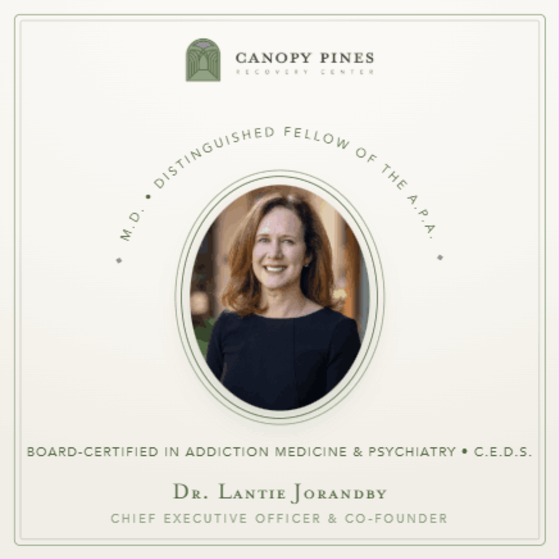
Founded and Led By Dr. Lantie Jorandby
Dr. Lantie Jorandby has dedicated her professional life to treating women with mental illness and addiction, and she is among the most credentialed addiction psychiatrists practicing in the United States today. She is triple board-certified in general psychiatry, addiction psychiatry, and addiction medicine.

What Is Art Therapy at Canopy Pines?
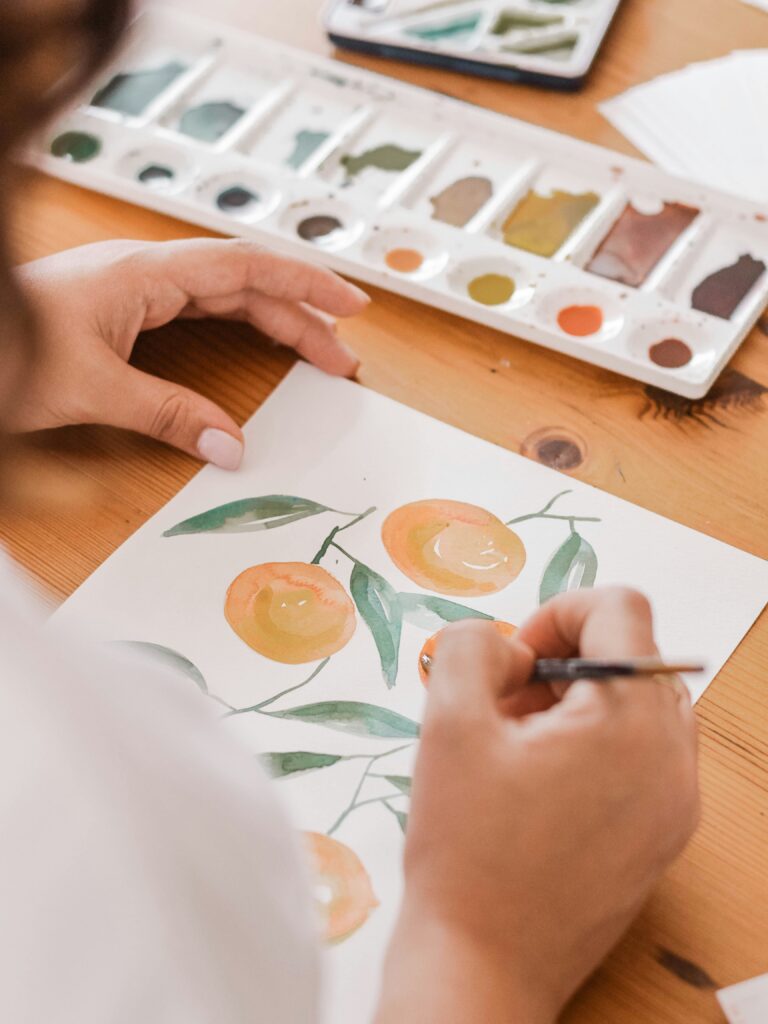
Art therapy is a clinical intervention delivered by a credentialed therapist that uses the process of creating visual art — painting, drawing, sculpting, collage, and other media — as a vehicle for emotional expression, self-exploration, and psychological healing. As defined by the American Art Therapy Association, art therapy integrates the creative process with established psychotherapeutic theories to improve mental, physical, and emotional well-being.
Critically, art therapy is not an art class. The goal is never technical skill or a polished product. The focus is entirely on the process of making — what surfaces emotionally as someone paints, molds clay, or tears and assembles a collage — and the therapeutic dialogue that unfolds between the resident, artwork, and clinician. Many women find that the act of creating communicates things they cannot yet say directly, opening a doorway into experiences and emotions that might otherwise remain locked.
Art therapy is used as both a standalone therapeutic modality and an evidence-based complement to individual therapy, group therapy, medication management, and trauma-focused care in residential and outpatient mental health treatment.
Conditions We Treat With Art Therapy
Across multiple populations and clinical settings, art therapy has been shown to improve:
- Anxiety, depression, and PTSD symptom severity
- Emotional regulation and distress tolerance
- Self-esteem and sense of personal agency
- Self-awareness and the ability to identify and name emotions
- Communication and the ability to express experiences that resist verbal language
- Mental resilience and positive coping skills
- Quality of life and overall psychological well-being
Art Therapy's Benefits For Women
Art therapy’s non-verbal, process-centered approach makes it particularly well-suited to conditions where emotional experiences are difficult to put into words — which describes a significant portion of what women in addiction and mental health treatment are working through. Research and clinical practice support art therapy’s effectiveness across the following conditions:
- Post-Traumatic Stress Disorder (PTSD)
- Major Depressive Disorder
- Generalized Anxiety Disorder
- Panic Disorder and Social Anxiety
- Substance Use Disorder and Addiction
- Borderline Personality Disorder (BPD)
- Bipolar Disorder
- Eating Disorders
- Grief and complicated loss
- Chronic stress and burnout
- Complex trauma and ACEs
- Co-occurring or dual diagnosis conditions
For women in dual diagnosis treatment — where addiction and a mental health condition co-occur — art therapy provides an integrative approach that addresses both the emotional and neurobiological layers of the clinical picture simultaneously. A 2020 review examining art therapy in PTSD specifically found that visual art therapy helped participants process traumatic memories, reduce dissociation, improve sleep, and manage anxiety — benefits that are directly relevant to the majority of women entering residential care.
Physical Benefits of Art Therapy
Art therapy’s benefits extend well beyond the emotional and psychological. The act of art-making produces measurable physiological changes that support both mental health and physical recovery:
Research has found a 75% reduction in salivary cortisol — the body’s primary stress hormone — after just 45 minutes of art-making, demonstrating a direct physiological stress-relief effect.
Creative expression has been linked to improved immune system markers, reduced inflammatory responses, and better health outcomes in populations managing chronic illness alongside mental health conditions.
Trauma and anxiety frequently disrupt sleep. Art therapy’s ability to reduce hyperarousal and help process traumatic memories has been associated with improvements in sleep quality and duration.
The tactile, sensory, and rhythmic aspects of art-making activate the parasympathetic nervous system — the body’s rest-and-recovery mode — promoting calm, presence, and groundedness.
Emerging neuroimaging evidence suggests that art-making promotes neuroplasticity — the brain’s ability to form new connections — and may support recovery of healthy emotional circuitry disrupted by trauma or addiction.
For women experiencing somatic symptoms of anxiety or trauma, engaging hands, eyes, and attention in tactile art-making provides grounding and helps re-anchor awareness in the present body.

Goals Of Cognitive-Behavioral Therapy at Canopy Pines
A growing body of clinical research — including randomized controlled trials, systematic reviews, and neuroimaging studies — provides quantitative support for art therapy’s role in mental health and addiction treatment:
14/15
75%
70%+
~30%
Beyond the numbers, qualitative research consistently finds that women describe art therapy as a turning point in treatment — a modality that allowed them to access and begin working through experiences they had never been able to voice in conventional therapy sessions.
Residential
24 hour evidence-based care that treats addiction and mental health together. Every woman receives a full psychiatric evaluation and a customized treatment plan
Trauma Therapy
We understand that trauma is often deeply connected to substance use, emotional distress, and mental health struggles. Our highlighly certified experts are here to help
Medical Detox
For women who have become dependent, withdrawal can bring dangerous effects, including death. Medical detox at Canopy Pines provides 24-hour clinical oversight.
Is Art Therapy Effective for Adults?
Yes — and the research specifically supports art therapy’s effectiveness in adult populations, including women with complex clinical presentations involving trauma, co-occurring disorders, and long-term substance use.
A randomized, single-blind trial published in peer-reviewed literature found that introducing art therapy alongside standard pharmacological treatment for major depressive disorder in adults produced significant improvements in both depression and anxiety symptoms — improvements that medication alone had not achieved. A separate systematic review found evidence of art therapy effectiveness for anxiety across adult populations, with proposed mechanisms including stress induction of relaxation, improved access to unconscious memories (enabling cognitive processing), and enhanced emotional regulation — all mechanisms of direct relevance to women in addiction and trauma treatment.
Art therapy is also particularly valuable for adult women who find traditional talk therapy barriers high — those who have difficulty identifying or verbalizing emotions (a condition sometimes called alexithymia), those whose trauma histories make direct narrative recall distressing, and those who have disengaged from prior treatment that relied exclusively on verbal modalities. The non-verbal channel art therapy opens often reaches where other approaches have stalled.

Evidence-Based Art Therapy Techniques At Canopy Pines
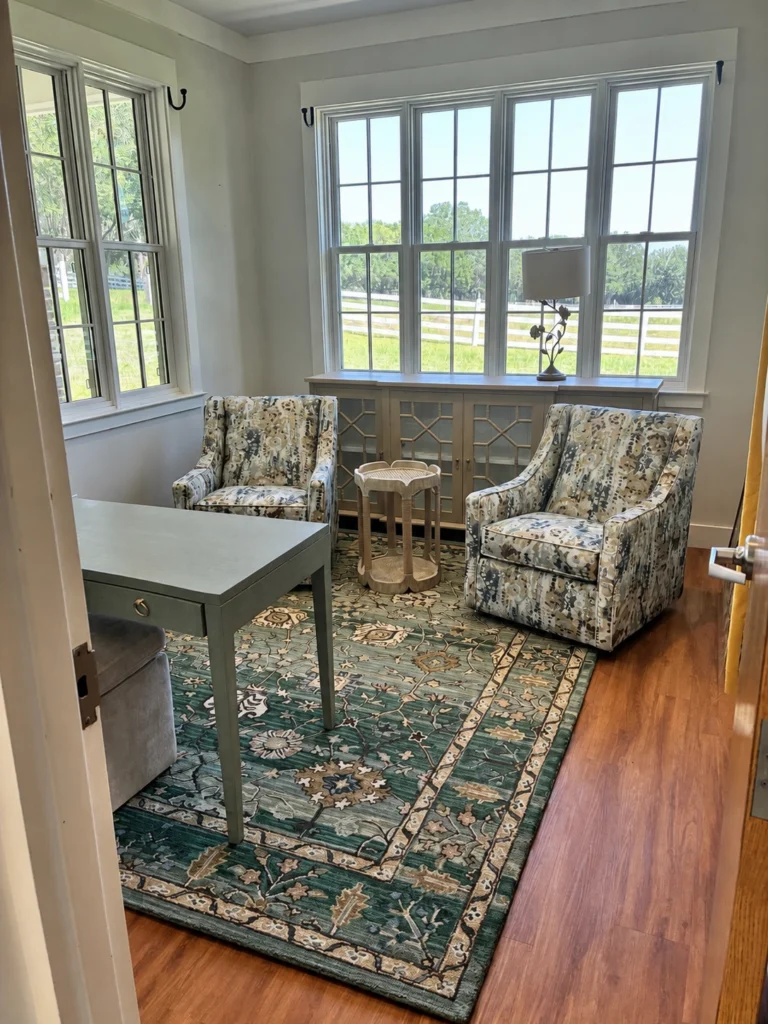
In a residential treatment setting, art therapy is woven into the clinical program rather than offered as an optional add-on. This integration is what makes residential art therapy meaningfully different from a community art class or a self-directed creative practice: it unfolds within an intentional therapeutic framework, guided by a credentialed art therapist, coordinated with the woman’s overall treatment team, and grounded in her individual treatment goals.
Initial Art Therapy Assessment
The art therapist meets with each new resident to understand her history, therapeutic goals, and comfort level with creative expression. No prior art experience is required or expected — the assessment establishes a safe starting point and helps the therapist tailor the approach.
Individual Sessions: Personal Exploration
One-on-one art therapy sessions provide a private, protected space for deeper personal work — exploring trauma, grief, shame, identity, or any material that a woman may not yet be ready to bring into a group setting.
Group Art Therapy: Shared Expression
Structured group sessions allow women to create alongside peers, share what their work brings up, and witness one another’s creative process — adding the therapeutic benefits of peer connection and universality to the art-making experience itself.
Integration with Clinical Treatment
Themes and material that emerge in art therapy sessions are shared (with the client’s consent) with the broader treatment team, ensuring that insights surfaced through creative expression are woven into the overall clinical care plan rather than siloed from it.
Skill-Building for Aftercare
As discharge approaches, the art therapist works with each client to build a sustainable personal creative practice she can carry into life after residential care — providing an ongoing, accessible tool for emotional self-regulation and stress management.

Medically Reviewed By Dr. Lantie Jorandby
Triple Board-Certified in Psychiatry, Addiction Psychiatry, & Addiction Medicine
Last Reviewed: June 2026