
Borderline Personality Disorder Treatment for Women
Residential Treatment Center In Florida That’s Evidence-Based
What is Borderline Personality Disorder?
If someone you love is struggling with explosive emotions, unstable relationships, or a fragile sense of self — and you can’t find a name for what you’re watching — borderline personality disorder (BPD) may be the missing piece. It is one of the most misunderstood mental health conditions, yet one of the most treatable with the right approach. For women especially, getting an accurate diagnosis and access to specialized mental health treatment can be life-changing.
At Canopy Pines Recovery, we provide gender-specific residential care in Tallahassee, Florida, designed for women navigating the complex intersection of mental health and addiction. This guide is for the loved ones, caregivers, and healthcare professionals who are trying to understand BPD — what it is, how it presents in women, and what residential treatment for borderline personality disorder can do.
Borderline personality disorder is a serious, long-term mental health condition characterized by persistent instability in emotions, self-image, behavior, and interpersonal relationships. People with BPD experience the world intensely — emotions that others feel mildly can feel catastrophic, and the relationships they depend on can swing from idealization to deep resentment within hours.
BPD was formally included in the Diagnostic and Statistical Manual of Mental Disorders (DSM) in 1980, and its core criteria have remained largely stable through DSM-5. The disorder is most often identified in early adulthood, though its roots frequently trace back to childhood and adolescence.

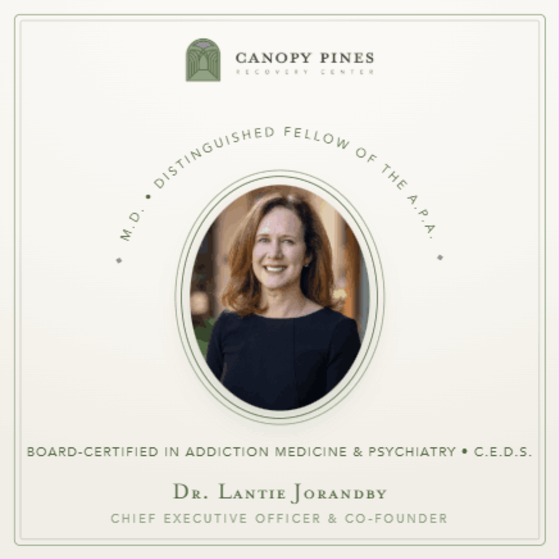
Founded and Led By Dr. Lantie Jorandby
Dr. Lantie Jorandby has dedicated her professional life to treating women with mental illness and addiction, and she is among the most credentialed addiction psychiatrists practicing in the United States today. She is triple board-certified in general psychiatry, addiction psychiatry, and addiction medicine.
What Causes Borderline Personality Disorder?
According to the National Institute of Mental Health (NIMH), borderline personality disorder affects approximately 1.4% of the U.S. adult population, though some studies place the lifetime prevalence as high as 5.9%.In outpatient psychiatric settings, women account for up to 78% of BPD diagnoses
Research points to a combination of genetic, neurological, and environmental factors. BPD is not caused by a single event or a character flaw — it develops from a complex interplay of:
- Genetics: BPD appears to run in families. First-degree relatives of people with BPD are at significantly higher risk, suggesting a heritable component.
- Brain structure and function: Neuroimaging studies have identified differences in the areas of the brain that regulate emotion, impulse control, and stress responses in people with BPD.
- Trauma and adverse childhood experiences: A large proportion of people with BPD report histories of childhood abuse, neglect, or abandonment. Trauma-informed care is therefore a cornerstone of effective treatment.
- Invalidating environments: Growing up in an environment where emotions were consistently dismissed or punished can disrupt healthy emotional development and contribute to BPD.
How Common Is Borderline Personality Disorder?
Nationwide epidemiological studies estimate the prevalence of BPD in the general population at between 0.7% and 2.7%. In primary care settings, prevalence rises to roughly 6%, while in outpatient psychiatric clinics the figure climbs to 11–12%, and among psychiatric inpatients it can reach 22%.Put simply, BPD is far more common than most people realize — and it is disproportionately underdiagnosed, particularly in women who are often misidentified as having depression or anxiety.
What Is the Difference Between Borderline Personality Disorder and Bipolar Disorder?
Borderline personality disorder and bipolar disorder are frequently confused — even by clinicians — because both involve significant mood swings and impulsive behavior. Understanding the distinction is critical, because the treatments are very different.
The most meaningful difference lies in the pattern and trigger of mood shifts:
- BPD mood swings are reactive and interpersonal — they are typically triggered by relationship events, perceived rejection, or abandonment. They often shift multiple times within a single day and tend to resolve within hours.[3]
- Bipolar mood episodes are episodic and biologically driven. A manic episode must last at least seven days to meet diagnostic criteria; depressive episodes typically persist for two weeks or longer.[3]
Medication — particularly mood stabilizers like lithium — is the primary treatment for bipolar disorder. For BPD, psychotherapy, especially Dialectical Behavior Therapy (DBT), holds the strongest evidence base, with medication playing a supportive rather than primary role.
What Is the Difference Between Borderline Personality Disorder and Bipolar Disorder?
Borderline personality disorder and bipolar disorder are frequently confused — even by clinicians — because both involve significant mood swings and impulsive behavior. Understanding the distinction is critical, because the treatments are very different.
The most meaningful difference lies in the pattern and trigger of mood shifts:
- BPD mood swings are reactive and interpersonal — they are typically triggered by relationship events, perceived rejection, or abandonment. They often shift multiple times within a single day and tend to resolve within hours.
- Bipolar mood episodes are episodic and biologically driven. A manic episode must last at least seven days to meet diagnostic criteria; depressive episodes typically persist for two weeks or longer.
Medication — particularly mood stabilizers like lithium — is the primary treatment for bipolar disorder. For BPD, psychotherapy, especially Dialectical Behavior Therapy (DBT), holds the strongest evidence base, with medication playing a supportive rather than primary role.
Can You Have Both Borderline Personality Disorder and Bipolar Disorder?
Yes. Co-occurrence is more common than many people expect. Research suggests that approximately 85% of individuals with BPD meet the criteria for at least one other mental health disorder, and mood disorders — including bipolar disorder — are among the most frequent. When both conditions are present, an accurate dual diagnosis is essential, because treating only one will leave significant symptoms unaddressed. Integrated, comprehensive care — such as what is provided in a residential program — is typically needed when these disorders co-occur.

Signs and Symptoms of Borderline Personality Disorder in Women
BPD is defined by nine core criteria in the DSM-5. A person must meet at least five to receive a diagnosis. Because the disorder manifests differently depending on the individual — and because borderline personality disorder symptoms in women can overlap significantly with depression, PTSD, and anxiety — it often takes years to reach the correct diagnosis.
The nine DSM-5 criteria for BPD include:
- Frantic efforts to avoid real or imagined abandonment — even minor separations or perceived slights can trigger intense fear and panic.
- Unstable, intense interpersonal relationships — characterized by alternating between extremes of idealization (“you’re perfect”) and devaluation (“you’ve ruined everything”).
- Unstable self-image or sense of self — persistent uncertainty about identity, values, goals, and sexual orientation.
- Impulsivity in at least two potentially self-damaging areas — such as spending, substance use, binge eating, reckless driving, or unsafe sexual behavior.
- Recurrent suicidal behavior, gestures, or threats, or self-mutilating behavior — self-harm is one of the most recognized and dangerous features of BPD.
- Affective instability due to marked mood reactivity — intense episodes of depression, irritability, or anxiety, often lasting only a few hours.
- Chronic feelings of emptiness — a persistent inner void that is often described as a defining feature of the disorder.
- Intense, difficult-to-control anger — including problems controlling anger and frequent displays of temper.
- Transient, stress-related paranoid ideation or dissociation — brief periods of feeling detached from oneself or from reality under stress.

Characteristics of Borderline Personality Disorder in Women
While BPD affects people of all genders, the characteristics of borderline personality disorder in women tend to cluster around internalizing behaviors — emotional dysregulation that turns inward rather than outward. Women with BPD are more likely than men to report:
- Histories of trauma, including sexual abuse and domestic violence
- Co-occurring eating disorders such as bulimia nervosa
- Higher rates of depression and anxiety alongside BPD
- Greater use of self-harm as a way to manage overwhelming emotions
- Intense relationship instability tied to fears of abandonment
These presentations are often misread as “just” depression or anxiety, delaying diagnosis by years. A thorough psychiatric evaluation by a clinician experienced with personality disorders — as part of a comprehensive intake assessment — is the most reliable path to an accurate diagnosis.

How to Tell If You Have Borderline Personality Disorder
BPD cannot be self-diagnosed, but awareness of patterns is a powerful first step. If you are a family member or healthcare professional reading this because you recognize these patterns in someone you know, that recognition matters. Common signs that warrant a professional evaluation include:
- Relationships that repeatedly go from intensely loving to completely broken
- An inability to tolerate being alone, even briefly
- A shifting sense of identity — feeling like a different person in different situations
- Impulsive decisions that cause lasting harm (financial, relational, or physical)
- Episodes of rage that feel disproportionate to the trigger
- A history of self-harm or suicidal ideation, even when things seem “okay”
- A pervasive, unexplained sense of emptiness
A qualified psychiatrist or psychologist will conduct a structured clinical interview and may use validated screening tools such as the McLean Screening Instrument for BPD or the Zanarini Rating Scale. Diagnosis requires that symptoms are persistent — not simply a reaction to a difficult life event — and that they cause significant impairment in daily functioning.
Is Borderline Personality Disorder More Common in Men or Women?
In the general community, BPD prevalence is roughly equal between men and women — approximately 3% in women versus 2.4% in men. However, in outpatient psychiatric treatment settings, women make up a significantly larger share of BPD diagnoses, accounting for as much as 78% of cases.
This discrepancy likely reflects several factors:
- Women are more likely to seek mental health treatment than men
- BPD in men may present differently — often with externalized behaviors like aggression or substance use — leading to different diagnoses such as antisocial personality disorder or substance use disorder
- Gender bias in clinical settings has historically led to underdiagnosis in men and overdiagnosis in women
For women, this means that the clinical literature and evidence-based treatment approaches for BPD are primarily developed around their experiences — making borderline personality disorder in women a well-studied area with effective, targeted interventions.

Women's Residential Treatment for BPD
For women with moderate-to-severe BPD — particularly those struggling with self-harm, co-occurring substance use, or repeated crisis episodes — residential treatment for borderline personality disorder offers something outpatient care cannot: a structured, immersive environment where healing can happen without the constant pull of everyday stressors and triggers.
At Canopy Pines, our women’s residential program in Tallahassee, Florida, provides 24-hour support in a gender-specific setting designed to address the unique needs of women with BPD and co-occurring conditions. Key benefits of residential BPD treatment include:
- Comprehensive psychiatric evaluation and accurate diagnosis. Many women arrive having been treated for depression or anxiety for years without improvement. Residential intake allows for thorough evaluation and, where needed, updated diagnoses.
- Dialectical Behavior Therapy (DBT) delivered in full. DBT — developed specifically for BPD — is most effective when delivered in its complete form: individual therapy, skills training groups, phone coaching, and therapist consultation. Residential programs can provide all four components. Research demonstrates that DBT significantly reduces suicidal behavior and improves emotional wellbeing in women with BPD.[6]
- Trauma-informed care. Given the high rates of trauma in women with BPD, approaches such as EMDR (Eye Movement Desensitization and Reprocessing) and trauma-focused Cognitive Behavioral Therapy (CBT) are woven into treatment.
- Dual diagnosis treatment for co-occurring addiction. Women with BPD face elevated rates of substance use. Our program addresses addiction and mental health simultaneously — not sequentially — because treating one without the other leads to relapse in both.
- Safety and stabilization. Residential care removes access to means of self-harm, reduces environmental stressors, and provides round-the-clock clinical oversight during the most vulnerable period of recovery.
- Gender-specific community. A women-only program creates a space where clients feel safe to process trauma, relationship patterns, and identity without the dynamics that a mixed-gender environment can introduce.
- Family education and communication support. BPD profoundly affects families. Residential programs provide structured opportunities to educate loved ones and build healthier relational patterns — a key factor in long-term stability.
Research consistently shows that borderline personality disorder treatment is most effective when it is intensive, consistent, and delivered by clinicians who specialize in personality disorders. Residential care provides the conditions under which that kind of sustained, expert treatment becomes possible.

Benefits of an Aftercare Program for Borderline Personality Disorder
Completing residential treatment is a significant milestone — but BPD is a long-term condition, and the transition back to everyday life is one of the highest-risk periods in recovery. A structured aftercare program bridges the gap between the intensity of residential care and independent living, dramatically reducing the likelihood of relapse or crisis.

Medically Reviewed By Dr. Lantie Jorandby
Triple Board-Certified in Psychiatry, Addiction Psychiatry, & Addiction Medicine
Last Reviewed: June 2026