
Women's Mental Health Residential Treatment
What is Residential Mental Health Treatment?

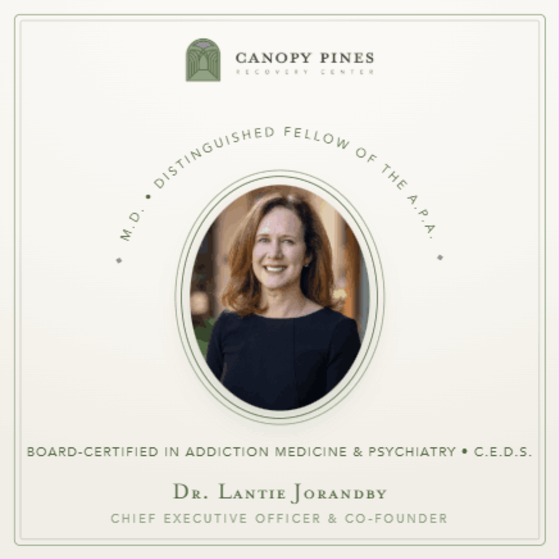
Founded and Led By Dr. Lantie Jorandby
Dr. Lantie Jorandby has dedicated her professional life to treating women with mental illness and addiction, and she is among the most credentialed addiction psychiatrists practicing in the United States today. She is triple board-certified in general psychiatry, addiction psychiatry, and addiction medicine.
Residential Treatment for Women's Mental Health
Residential mental health treatment, also called inpatient psychiatric treatment or women’s inpatient mental health care, involves living at a treatment facility while receiving intensive psychiatric and psychological services. Unlike hospitalization, which focuses on crisis stabilization, residential treatment provides longer-term therapeutic programs designed to address underlying mental health issues, develop coping skills, and rebuild functionality.
How Residential Treatment Works
Women admitted to residential mental health treatment receive immediate comprehensive psychiatric evaluation including diagnostic assessment, medical history review, medication review, and psychological evaluation. This assessment informs an individualized treatment plan specifying therapy modalities, psychiatric medications, group programming, and specific clinical goals.
Daily programming typically includes:
- Individual therapy: 2-4 sessions weekly with a licensed therapist using evidence-based approaches like Cognitive Behavioral Therapy (CBT), Dialectical Behavior Therapy (DBT), or trauma-focused therapy
- Group therapy: Daily therapeutic groups addressing coping skills, emotion regulation, relationships, and recovery topics
- Psychiatric evaluation and medication management: Regular evaluation by board-certified psychiatrists with medication adjustments based on response
- Skills workshops: Structured education on stress management, sleep hygiene, nutrition, mindfulness, and life skills
- Recreational and wellness activities: Exercise, equine therapy, yoga, journaling, and other therapeutic activities
- Family therapy: Sessions involving loved ones to repair relationships and establish ongoing support systems
- Discharge planning: Coordination of outpatient services, psychiatry appointments, and aftercare resources
Typical Duration: Short-Term, Standard, and Extended Programs

Women’s mental health residential treatment duration ranges from 14 days to 90+ days depending on condition severity, treatment response, and clinical recommendations. Understanding program length helps families plan and set realistic recovery expectations.
- Short-term programs (14-21 days): Appropriate for acute symptom management, medication adjustment, or stabilization after crisis. Provides enough time for psychiatric evaluation and initial symptom relief but limited time for deep therapeutic work.
- Standard programs (28-45 days): The most common duration, balancing intensive treatment with practical re-entry. Allows sufficient time for medication stabilization, skill development, and relationship work. Research supports 28-day programs as optimal for many conditions.
- Extended programs (60-90 days): Recommended for complex presentations including severe trauma, co-occurring substance use, multiple psychiatric diagnoses, or previous treatment failures. Extended time allows deeper therapeutic processing and more comprehensive skill development.
Benefits of Longer Residential Treatment Duration
Research consistently demonstrates that longer residential mental health treatment produces better outcomes across multiple domains. The relationship between treatment duration and outcomes isn’t linear—some benefit significantly from 28 days, while others require 60-90 days for substantial improvement.
- Greater symptom improvement: Extended programs achieve 30-50% greater symptom reduction compared to short-term programs, particularly for depression, anxiety, and PTSD
- Better medication optimization: Psychiatric medications require 4-6 weeks to reach therapeutic levels. Longer programs allow optimal dosing and combination adjustments before discharge
- Enhanced skill development: Coping skills, emotion regulation, and relationship skills require practice and reinforcement. Extended treatment provides more opportunities for skill rehearsal and integration
- Trauma processing: Meaningful trauma work requires time and safety. Extended programs allow sufficient sessions for trauma-focused therapy like EMDR or CPT
- Reduced relapse risk: Studies show 60-90 day programs produce 25-40% lower relapse/readmission rates compared to 14-28 day programs at 6-12 month follow-up
- Improved social recovery capital: Longer stays strengthen peer connections and therapeutic relationships, building social support networks that protect recovery
- Family engagement: Extended programs allow multiple family therapy sessions, psychoeducation, and relationship repair work
Common Mental Health Disorders Affecting Women

Women’s mental health issues encompass a wide range of psychiatric conditions from mood disorders to anxiety to trauma-related disorders. Understanding these common conditions helps families recognize when professional treatment becomes necessary.
Depression in Women
Major Depressive Disorder represents the most common mental health condition among women, affecting approximately 1 in 5 women at some point in their lives. Depression in women manifests with persistent depressed mood, loss of interest in activities, sleep disturbances, appetite changes, fatigue, difficulty concentrating, and thoughts of worthlessness or suicide.
Women experience depression at roughly twice the rate of men, influenced by hormonal factors, reproductive events (postpartum depression, perimenopause), trauma exposure, and gender-based stressors. Moderate to severe depression substantially impairs work, relationships, and daily functioning, making residential treatment necessary when outpatient approaches prove insufficient.
Treatment
Depression treatment combines antidepressant medication (SSRIs, SNRIs, tricyclics, or atypical agents) with evidence-based psychotherapy. Cognitive Behavioral Therapy (CBT) helps women identify depressive thought patterns and behavioral patterns maintaining depression, replacing them with healthier alternatives. Behavioral activation—scheduling pleasurable and meaningful activities—directly addresses the motivation and energy deficits characteristic of depression.
For treatment-resistant depression, our experts may utilize advanced interventions like transcranial magnetic stimulation (TMS). Extended treatment duration allows medication optimization and deep therapeutic work addressing underlying trauma or interpersonal patterns driving depression.
Anxiety Disorders
Anxiety disorders—including Generalized Anxiety Disorder, Panic Disorder, Social Anxiety Disorder, and Specific Phobias—affect women at significantly higher rates than men. Women with anxiety experience excessive worry, physical tension, panic attacks, avoidance behaviors, and disrupted functioning.
Untreated anxiety often progresses, leading to agoraphobia, depression, and substance use as self-medication. Residential treatment provides intensive Cognitive Behavioral Therapy (CBT), exposure therapy, medication management, and skills training in a supportive environment, allowing women to overcome anxiety with professional support.
Treatment
Anxiety treatment combines anxiolytic or antidepressant medications with Cognitive Behavioral Therapy focused on identifying anxiety-triggering thoughts, challenging catastrophic predictions, and practicing exposure to feared situations. Exposure therapy—gradually confronting avoided situations—directly reduces anxiety through habituation.
Specialized techniques like interoceptive exposure (confronting physical sensations of anxiety) prove particularly effective for panic disorder. Residential treatment provides structured exposure experiences with professional support, accelerating anxiety reduction compared to outpatient therapy alone.
Post-Traumatic Stress Disorder (PTSD)
Women exposed to trauma—including sexual abuse, intimate partner violence, accidents, or loss—may develop PTSD characterized by intrusive memories, nightmares, hypervigilance, emotional numbness, and avoidance. Women develop PTSD at approximately twice the rate of men following traumatic events.
Women’s mental health treatment for PTSD utilizes trauma-focused psychotherapy like Prolonged Exposure (PE), Cognitive Processing Therapy (CPT), and Eye Movement Desensitization and Reprocessing (EMDR), often combined with medication to reduce hyperarousal and intrusive symptoms.
Treatment
PTSD responds best to trauma-focused psychotherapies like Prolonged Exposure (PE), Cognitive Processing Therapy (CPT), or Eye Movement Desensitization and Reprocessing (EMDR), often combined with medications to reduce hyperarousal symptoms. These approaches directly address trauma memories and maladaptive beliefs resulting from trauma exposure.
Residential treatment provides trauma-informed environment critical for PTSD work—consistent safety, predictable staff relationships, and 24/7 support for processing trauma material. Many women cannot safely engage trauma processing in outpatient settings without residential support.
Bipolar Disorder
Bipolar disorder—characterized by episodes of depression, mania, and mixed states—affects men and women equally but presents differently in women. Women with bipolar disorder experience more frequent depressive episodes, higher suicide risk, and greater symptom severity around reproductive events.
Residential treatment stabilizes mood episodes through psychiatric medication management (often involving mood stabilizers like lithium or valproate), psychoeducation about bipolar triggers and patterns, and skill development for recognizing prodromal symptoms and preventing relapse.
Treatment
Mood stabilizer medications (lithium, valproate, carbamazepine, lamotrigine) form the foundation of bipolar treatment, preventing mood episodes and reducing symptom severity. Residential programs optimize medication combinations while monitoring blood levels and side effects.
Bipolar-specific psychotherapy combines psychoeducation about bipolar patterns, lifestyle rhythm stability, trigger identification, and relapse prevention strategies. Family therapy addresses how bipolar disorder affects relationships and establishes family support for medication adherence and early intervention.
Borderline Personality Disorder (BPD)
Borderline Personality Disorder—characterized by emotional instability, unstable relationships, identity disturbance, and impulsive behaviors—occurs more frequently in women than men. Women with BPD struggle with emotion dysregulation, chronic feelings of emptiness, and often have trauma histories.
Specialized residential treatment using Dialectical Behavior Therapy (DBT) addresses emotion regulation, distress tolerance, interpersonal effectiveness, and mindfulness—directly targeting BPD’s core features.
Treatment
Borderline Personality Disorder responds particularly well to Dialectical Behavior Therapy (DBT)—a comprehensive approach combining individual therapy, skills training groups, phone coaching, and therapist consultation teams. DBT directly targets BPD’s core features: emotion dysregulation, identity disturbance, and interpersonal instability.
Skills training focuses on four modules: mindfulness, distress tolerance, emotion regulation, and interpersonal effectiveness. Residential DBT programs provide intensive skills practice and real-time coaching, accelerating skill development compared to outpatient DBT alone.

Benefits of Women-Only Mental Health Programs
Women-only residential mental health treatment at Canopy Pines creates clinical environments specifically designed to address women’s unique mental health needs, trauma histories, and recovery factors. Research demonstrates measurable clinical and psychological benefits of gender-specific mental health programming.
Clinical and Therapeutic Benefits
- Safety and comfort: Our women-only campus eliminates concerns about unwanted attention or harassment, allowing women to focus on recovery without hypervigilance or dissociation
- Trauma-informed care: Our certified clinical teams trained in gender-specific trauma understand how sexual violence, intimate partner abuse, and childhood sexual abuse drive many women’s mental health conditions
- Peer understanding: Women relate deeply to shared experiences of gender-based discrimination, reproductive health concerns, motherhood conflicts, and hormonal influences on mental health
- Authentic peer support: Women often build deeper, more authentic peer connections in gender-specific groups, creating social recovery capital that prevents relapse
- Reduced shame and stigma: Women historically experience greater stigma related to mental illness; all-women groups diminish shame and increase honest sharing
- Maternal and reproductive health focus: Programs address pregnancy-related mental health, postpartum depression, breastfeeding goals, and childcare concerns
- Relationship-focused programming: Specialized programming addresses healthy relationships, boundary-setting, and family dynamics
Research from the Journal of Behavioral Health Services & Research indicates women in gender-specific programs show:
- 30-40% higher treatment engagement and active participation
- Greater openness in discussing trauma and mental health struggles
- Higher completion rates, particularly for extended programs
- Better peer relationship quality predicting post-discharge social support
- Lower readmission rates at 6-12 month follow-up compared to mixed-gender programs
Why Do Women Experience More Depression and Anxiety?
Multiple factors contribute to higher rates of depression and anxiety in women:
- Biological factors: Hormonal fluctuations across the menstrual cycle, pregnancy, postpartum period, and menopause influence neurotransmitter systems involved in mood regulation. Women’s greater sensitivity to cortisol and stress hormones may increase vulnerability.
- Reproductive events: Pregnancy, postpartum period, and menopause create hormonal shifts triggering depression or anxiety. Postpartum depression affects 15-20% of women, while postpartum anxiety affects 10-15%.
- Trauma exposure: Women experience sexual violence and intimate partner violence at higher rates, with trauma strongly linked to depression, anxiety, and PTSD development.
- Gender-based stress: Women navigate unique stressors including discrimination, wage gaps, caregiving burden, domestic responsibilities, and body image pressures affecting mental health.
- Greater emotional expression: Women may be socialized toward greater emotional expression and help-seeking, potentially increasing diagnosis rates compared to men who may internalize symptoms.
- Intersection of roles: Balancing work, caregiving, relationships, and personal needs creates compounded stress for many women.
Aftercare Planning Ensures Long-Term Mental Health Recovery

Aftercare—the mental health services and support provided after completing residential treatment—represents one of the most critical factors determining long-term recovery success. Research consistently demonstrates that individuals with robust aftercare plans show 30-50% better long-term functioning and lower relapse/readmission rates.
Essential Aftercare Components
Psychiatric medication management requires ongoing psychiatric visits every 4-12 weeks for medication monitoring, adjustment, and side effect management. Individuals shouldn’t manage psychiatric medications without professional oversight; medication adjustments often become necessary as life circumstances change.
Specialized support groups provide peer community aligned with specific diagnosis. Depression/anxiety support groups, bipolar support groups, PTSD peer groups, and disorder-specific communities provide accountability and validation from others with lived experience.
Family therapy and psychoeducation helps loved ones understand the mental health condition, recognize early warning signs, and support recovery without enabling. Family involvement significantly improves outcomes.
Wellness and lifestyle support addresses sleep, exercise, nutrition, and stress management—foundational factors affecting mental health stability. Many programs coordinate with fitness facilities, nutritionists, or wellness coaches.
Social support and peer community involves connecting with recovery communities, volunteer opportunities, educational pursuits, or employment that provide meaning and social connection—critical protective factors against relapse.

Medically Reviewed By Dr. Lantie Jorandby
Triple Board-Certified in Psychiatry, Addiction Psychiatry, & Addiction Medicine