
What To Expect When Arriving at Canopy Pines
A Structured Program Designed For Women To Heal
Overview
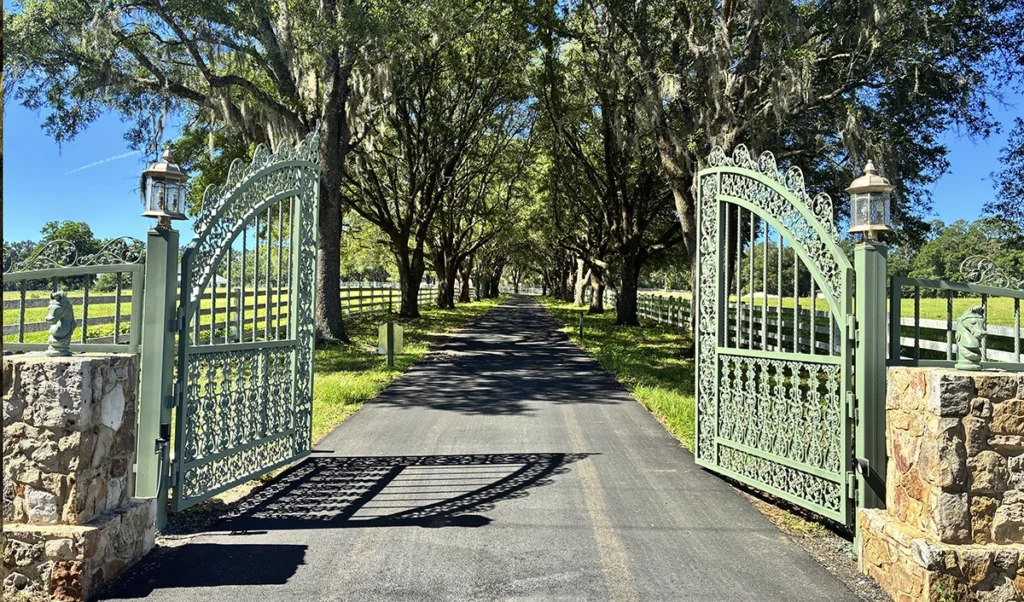
At Canopy Pines, treatment is intentionally structured to create stability, consistency, emotional safety, and meaningful therapeutic engagement throughout the day. Many women entering treatment have experienced periods of emotional chaos, isolation, unhealthy routines, chronic stress, or difficulty maintaining balance in their lives. A thoughtfully structured environment helps residents begin rebuilding healthy patterns, emotional regulation, and daily functioning.
Treatment Created By Women For Women

Our program is designed to provide a balance of clinical treatment, psychiatric support, wellness activities, reflection, accountability, community connection, and restorative downtime. Each day is purposeful, with programming carefully designed to support recovery while avoiding the emotionally exhausting “all day group” model that can lead to burnout and disengagement.
Residents participate in a comprehensive schedule that promotes whole-person healing while allowing time for rest, reflection, and personal growth.
For many individuals, substance use begins as an attempt to manage overwhelming emotions, numb emotional pain, quiet anxiety, escape intrusive memories, or create temporary relief from chronic emotional distress. Over time, these coping strategies can develop into patterns that negatively impact mental health, relationships, physical wellbeing, and daily functioning.
At Canopy Pines, we believe that lasting recovery requires addressing not only the behaviors associated with addiction, but also the underlying emotional wounds and nervous system responses that contribute to those behaviors.
What a Typical Day May Include
Example Schedule
Below is the schedule listed in the Resident Handbook. It may be subject to change over time and should only be used as an example of what a typical day could look like. Below is information on time, session name and clinical purpose.
8:00a
Breakfast
N/A
9:00a
Morning Mindfulness/Meditation
Grounding
10:00a
Holistic Wellness
Rotating Wellness Activities
11:00a
Seeking Safety Group
Trauma Stablization
12:30p
Lunch
N/A
1:30p
DBT Skills
Group Emotional Regulation
2:30p
Psychoeducation/Relapse Prevention
Addiction Education
3:30p
Individual Therapy/Art Sessions
Trauma Processing
4:30p
Free Time
N/A
5:30p
Dinner
N/A
6:30p
Optional Recovery Meeting/Reflection
Peer Recovery Support
7:30p
Phone Time
Community Connection
8:00p
Journaling/Evening Reflection
Integration
Morning Wellness and Preparation
Residents begin the day with structure and routine designed to support emotional grounding and physical wellbeing. Mornings may include:
- Mindfulness or grounding exercises
- Light movement or wellness activities
- Breakfast and medication management
- Goal-setting for the day
- Community check-ins
These routines help residents begin reconnecting with their physical health, emotional awareness, and daily rhythm.
Throughout the week, residents participate in therapist-led groups focused on evidence-based treatment approaches and recovery education. Group topics may include:
- Emotional regulation
- Trauma recovery
- Relapse prevention
- Healthy relationships
- Anxiety and stress management
- Coping skills
- Communication and boundaries
- Self-worth and identity
- Recovery education
- Process-oriented therapy
Groups are designed to encourage participation, insight, emotional growth, peer connection, and practical skill development in a supportive therapeutic environment.

Residents meet regularly with their primary therapist to address individualized treatment goals, mental health concerns, trauma history, emotional patterns, and barriers to recovery.
Treatment approaches may include CBT, DBT, trauma-informed therapy, motivational interviewing, and other evidence-based interventions tailored to the resident’s needs.
Individual therapy sessions may focus on:
- Identifying triggers and relapse patterns
- Processing emotional experiences
- Building coping strategies
- Improving emotional regulation
- Addressing co-occurring mental health concerns
- Strengthening motivation for recovery
- Developing healthier thought patterns and behaviors
Canopy Pines provides integrated psychiatric and medical oversight as part of the treatment experience. Residents may participate in:
- Psychiatric evaluations
- Medication management
- Nursing support
- Medical monitoring
- Ongoing mental health assessment
This integrated approach helps ensure that both mental health and substance use concerns are treated together rather than separately.
Evenings are designed to reinforce stability, healthy routines, and peer connection while also allowing time for reflection and decompression.
Evening activities may include:
- Recovery-focused peer support
- Structured leisure activities
- Journaling or reflection time
- Guided reflection
- Goal review
- Community activities
- Relaxation and preparation for rest
Healthy sleep routines and emotional decompression are important parts of the recovery process and are encouraged throughout treatment.
Individualized Care Within a Structured Environment
While daily structure is important, treatment at Canopy Pines is never “one-size-fits-all.” Every resident receives an individualized treatment plan based on their clinical needs, mental health presentation, trauma history, strengths, and recovery goals.
Some residents may require greater emotional stabilization early in treatment, while others may focus more heavily on trauma recovery, relapse prevention, relationship work, or co-occurring mental health concerns. Our clinical team works collaboratively to ensure that treatment remains personalized, clinically appropriate, and responsive to each woman’s progress.

Building Skills for Life Beyond Treatment
The purpose of structure at Canopy Pines is not simply to create routine within residential care. It is to help women develop practical skills, emotional awareness, healthier coping mechanisms, and sustainable daily habits that can continue long after treatment ends.
Recovery is not just about avoiding substances—it is about learning how to live differently, respond differently, and care for oneself differently. Every aspect of the daily schedule is designed with that larger goal in mind.

Medically Reviewed By Dr. Lantie Jorandby
Triple Board-Certified in Psychiatry, Addiction Psychiatry, & Addiction Medicine