
Severe Anxiety and Depression Disorder Treatment for Women
Residential Treatment Center In Florida That’s Evidence-Based
What is Severe Anxiety and Depression Disorder?

Millions of Americans live with depression and anxiety every year — but for many women, these conditions go far beyond occasional worry or sadness. When symptoms become severe enough to interfere with relationships, work, and basic self-care, outpatient appointments alone often aren’t enough. That’s where a residential treatment center for depression and anxiety steps in.
At Canopy Pines Recovery, our women’s residential program in Tallahassee, Florida provides around-the-clock clinical support within a safe, gender-responsive environment. This guide explains what severe anxiety and depression look like — especially in women — and why residential care can make the difference between managing symptoms and truly healing from them.
Anxiety and depression are among the most common mental health conditions in the United States, yet when they occur together or reach a severe level, they can be debilitating. The National Institute of Mental Health (NIMH) defines anxiety disorders as persistent, excessive fear or worry that is difficult to control and interferes with daily activities. Depression — formally known as Major Depressive Disorder (MDD) — is characterized by prolonged low mood, loss of interest, and a range of physical and emotional symptoms that can last weeks, months, or years without treatment.
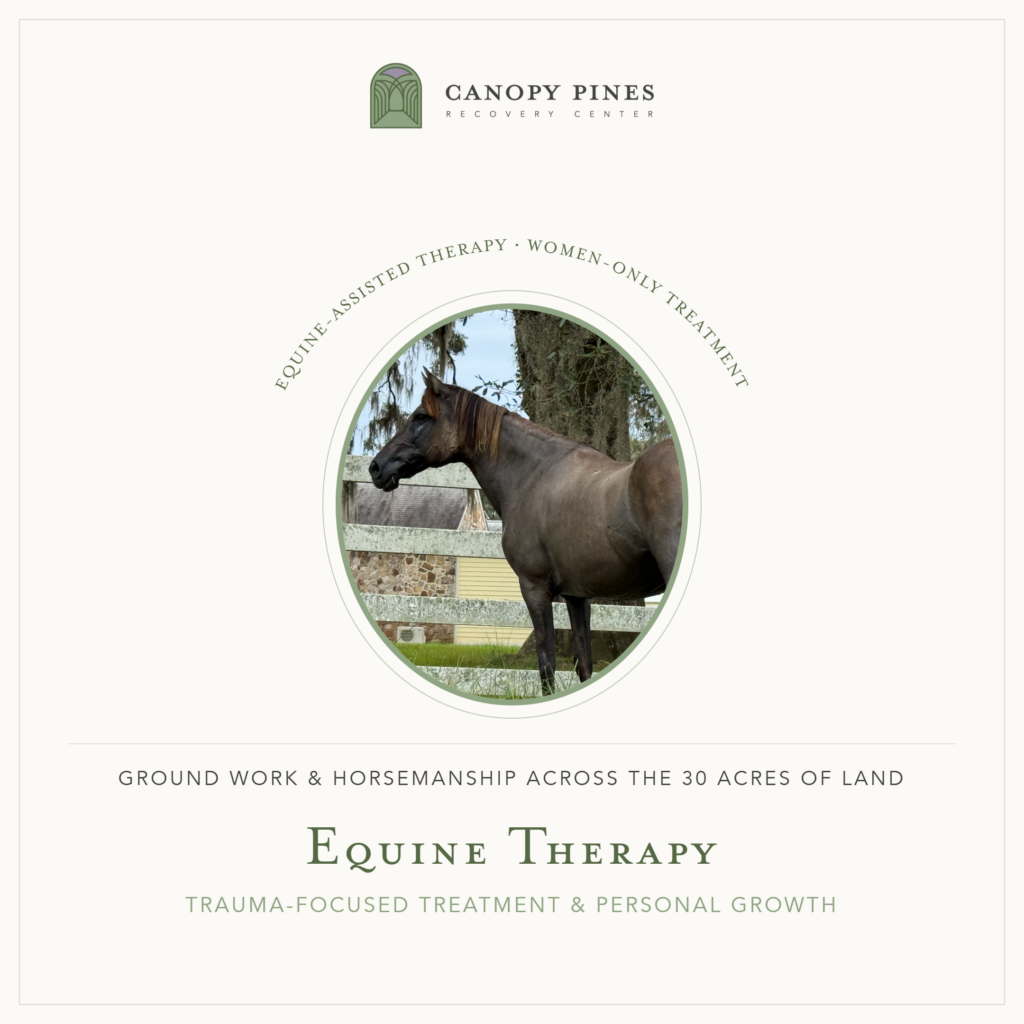
Equine Assisted Therapy Offered
Equine therapy is part of the continuum of evidence-based treatment at Canopy Pines Recovery. It has been shown to offer several benefits for mental health and addiction treatment, including personal growth, self-awareness, and emotional stability. Learn more about the program.
These two conditions frequently co-occur. Research published in the Journal of Psychiatric Research estimates that more than half of individuals diagnosed with major depression also meet the criteria for an anxiety disorder. Together, they create a cycle that is hard to break without professional, structured support.
Causes of Severe Anxiety and Depression
No single factor causes severe anxiety or depression. Rather, they typically develop from a combination of biological, psychological, and environmental influences, including:
- Genetics: A family history of mood or anxiety disorders significantly increases risk
- Brain chemistry: Imbalances in neurotransmitters such as serotonin, dopamine, and norepinephrine play a central role
- Trauma and adverse life events: Abuse, neglect, loss, or prolonged stress can trigger or worsen both conditions
- Hormonal fluctuations: Unique to women, shifts in estrogen and progesterone across the menstrual cycle, pregnancy, postpartum period, and menopause can profoundly affect mood and anxiety
- Chronic illness or substance use: Co-occurring physical health problems or addiction can accelerate the severity of mental health symptoms
- Social and cultural pressures: Caregiving demands, gender-based discrimination, and societal expectations place an outsized mental health burden on women
How Common Are Severe Anxiety and Depression?
Signs and Symptoms of Severe Anxiety and Depression

Recognizing the signs of severe anxiety and depression is the first step toward getting help. While symptoms vary by individual, the following are commonly reported in clinical settings.
Emotional and Psychological Symptoms
- Persistent sadness or emptiness
- Excessive, uncontrollable worry
- Feelings of hopelessness or worthlessness
- Irritability or emotional outbursts
- Difficulty concentrating or making decisions
- Recurring thoughts of death or suicide
- Panic attacks
- Social isolation and withdrawal
Physical Symptoms
- Chronic fatigue or low energy
- Changes in appetite or weight
- Sleep disturbances (insomnia or oversleeping)
- Muscle tension, headaches, or chest tightness
- Gastrointestinal issues
- Racing heart or shortness of breath
- Unexplained physical pain
- Decreased sex drive
Are Symptoms Different in Women Compared to Men?
Yes — and significantly so. Research consistently shows that women experience anxiety and depression differently than men, both in how symptoms present and in how the conditions progress. According to the NIMH, women with depression are more likely to experience:
- Atypical depression symptoms such as increased sleep, carbohydrate cravings, and heightened rejection sensitivity
- Seasonal patterns tied to hormonal cycles, including premenstrual dysphoric disorder (PMDD) and postpartum depression
- Somatic complaints — physical symptoms like headaches, digestive distress, and fatigue — that are sometimes misattributed to other medical conditions
- Higher rates of co-occurring conditions such as PTSD, eating disorders, and borderline personality disorder
- Anxiety that is more often linked to interpersonal stress, caregiving strain, and trauma history
Women with anxiety also tend to internalize distress rather than externalizing it, which can delay diagnosis. A study published in Focus: The Journal of Lifelong Learning in Psychiatry notes that hormonal shifts — particularly drops in estrogen — can directly amplify both anxiety and depressive symptoms, creating vulnerability windows across the lifespan that are unique to women.
Is Severe Anxiety More Common in Women?

Yes. Women are approximately twice as likely as men to be diagnosed with an anxiety disorder, according to data from the Centers for Disease Control and Prevention (CDC). Similarly, the lifetime prevalence of major depression is roughly 1.5 to 2 times higher in women than men.
Several factors contribute to this disparity:
- Hormonal biology: Estrogen and progesterone fluctuations across the menstrual cycle, perimenopause, and menopause influence serotonin and GABA — the brain’s primary calming neurotransmitters
- Higher rates of trauma exposure: Women are more likely to experience sexual trauma and intimate partner violence, both of which are strongly linked to anxiety and depression
- Socialization patterns: Women are more likely to internalize stress and engage in rumination — a thought pattern closely linked to both disorders
- Caregiving burden: Women continue to shoulder a disproportionate share of caregiving responsibilities, a known risk factor for burnout and depression
In Florida, these trends are mirrored at the state level. According to MentalHealth.gov, Florida women consistently report higher rates of anxiety and depression than the national average, driven in part by economic stress, isolation, and limited access to culturally responsive mental health care.
Women's Residential Treatment for Anxiety and Depression at Canopy Pines
Deciding to pursue a residential anxiety treatment program is a significant step. While outpatient therapy and medication work well for many people, certain circumstances indicate that a higher level of care is needed:
- Symptoms have persisted for more than two weeks and are worsening despite outpatient treatment
- Anxiety or depression is significantly impairing the ability to work, maintain relationships, or perform basic self-care
- There are thoughts of self-harm or suicide
- A co-occurring substance use disorder is present alongside the mental health condition
- Previous outpatient or partial hospitalization programs have not produced lasting relief
- The home environment is unstable, triggering, or unsafe
- Round-the-clock monitoring or medication management is required for safety
If several of these criteria apply to you or someone you care about, a residential program — sometimes called an anxiety disorder residential treatment setting — offers the intensive support needed to stabilize and heal.
Benefits of Residential Treatment for Women With Severe Anxiety and Depression
A residential treatment center for depression and anxiety provides a level of immersive care that outpatient programs simply cannot replicate. At Canopy Pines, our women’s residential program is built around the unique biological, psychological, and social factors that shape how women experience mental health conditions. Here’s what that level of care makes possible:
24/7 Clinical Support
Around-the-clock access to licensed clinicians and medical staff ensures immediate intervention if symptoms escalate.
Removal From Triggers
Stepping away from stressors — a toxic environment, caregiving demands, substance access — creates the space needed for genuine healing.
Evidence-Based Therapies
Our women anxiety residential treatment integrates CBT, DBT, EMDR, and trauma-focused modalities proven effective for co-occurring depression and anxiety.
Gender-Responsive Care
An all-women environment reduces shame and increases safety, allowing clients to disclose trauma and engage more openly in treatment.
Peer Community
Living alongside other women in recovery builds connection, reduces isolation, and provides accountability throughout treatment.
Medication Management
Psychiatric evaluation and ongoing medication management ensure safe, effective pharmacological support as part of a holistic plan.
Holistic Wellness
Nutrition support, movement therapy, mindfulness, and experiential activities complement clinical treatment to heal the whole person.
Structured Routine
A predictable daily schedule provides stability — itself a therapeutic tool for women whose lives have been disrupted by severe anxiety or depression.
Studies from the Substance Abuse and Mental Health Services Administration (SAMHSA) indicate that women in residential programs show significantly better outcomes compared to those who receive outpatient care alone, particularly when treatment is gender-responsive and trauma-informed. Canopy Pines’ clinical team brings this evidence-based approach to every aspect of our women’s program in Tallahassee.

Medically Reviewed By Dr. Lantie Jorandby
Triple Board-Certified in Psychiatry, Addiction Psychiatry, & Addiction Medicine
Last Reviewed: June 2026