
Meth Treatment for Women
Residential Treatment Center In Florida That’s Evidence-Based
What is Meth Addiction?

Methamphetamine addiction is one of the most difficult substance use disorders to overcome — and for women, the path to recovery comes with distinct biological, psychological, and social challenges that require specialized care. If you or someone you love is struggling with meth addiction, finding the right meth treatment center in Florida can be the most important decision you make.
This guide covers everything you need to know about meth addiction in women: how it develops, how to recognize the signs, what detox looks like, and why a women-only residential treatment program offers the safest, most effective path to lasting recovery.
Methamphetamine — commonly called meth, crystal meth, ice, or crank — is a highly addictive stimulant drug that affects the central nervous system. When consumed, it floods the brain with dopamine, creating an intense rush of pleasure, energy, and confidence that can last anywhere from six to twelve hours. Because the brain’s own dopamine system becomes suppressed over time, users quickly need more of the drug just to feel normal — the hallmark of physical and psychological dependence.
According to the National Institute on Drug Abuse (NIDA), methamphetamine use can rapidly lead to addiction, with structural and functional brain changes that persist long after a person stops using
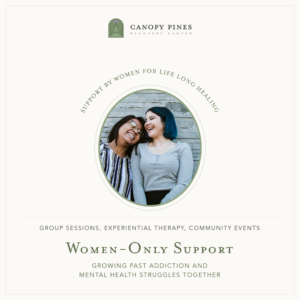
Treatment Created By Women For Women
Canopy Pines Recovery understands women go through unique situations that can lead to mental health and substance abuse issues. Our program is built by experienced, credentialed women, using evidence-based studies, to address those specific needs for the highest chance at lasting recovery.
Different Types of Meth and Their Dangers
Meth appears in several forms, each carrying serious risks:
- Crystal meth (ice): The purest and most potent form, typically smoked or injected. Crystal meth produces the most intense high and the most rapid addiction trajectory. Crystal meth rehab often involves severe withdrawal and longer treatment timelines.
- Powder meth: Can be snorted, swallowed, or dissolved and injected. Slightly less concentrated than crystal, but equally addictive with prolonged use.
- Pills (Yaba): A tablet form popular in Southeast Asia that is increasingly seen in the United States, often combined with caffeine. The mixed composition can make treatment more complex.
All forms carry a high risk of overdose, cardiovascular damage, and psychosis. No “safer” version of meth exists.
How Meth Affects Men and Women Differently
Research consistently shows that women develop meth addiction faster than men — a phenomenon known as “telescoping.” Women often transition from first use to dependence in a shorter period, experience more severe withdrawal symptoms, and are more vulnerable to anxiety, depression, and psychosis related to meth use. Hormonal fluctuations — particularly estrogen — may enhance the rewarding effects of stimulants, making women more susceptible to addiction and more likely to relapse during certain points in the menstrual cycle.
Women are also disproportionately likely to have co-occurring trauma histories, eating disorders, or mood disorders alongside meth use disorder. A specialized women’s addiction treatment program addresses these layered needs in a gender-responsive environment.
Common Signs and Symptoms of Meth Addiction in Women
Signs and symptoms of meth addiction in women, including physical and behavioral changes addressed in meth rehab florida programs. Recognizing the signs of meth addiction is the first step toward getting help. While some symptoms appear quickly, others develop over months of use. Common signs and symptoms of meth addiction include:
- Extreme weight loss and decreased appetite
- Intense mood swings — euphoria followed by severe crashes
- Hyperactivity, talkativeness, and reduced need for sleep
- Paranoia, hallucinations, and meth-induced psychosis
- Picking at skin, leading to sores (excoriation)
- Dilated pupils and rapid eye movements
- Erratic behavior, aggression, or irritability
- Neglect of personal hygiene, relationships, and responsibilities
- Financial problems or engaging in risky behaviors to obtain the drug
How Symptoms Differ for Women vs. Men
Women using meth are more likely to report anxiety, depression, and emotional dysregulation than men, who more frequently present with aggression and externalizing behaviors. Women are also more likely to have started using meth to cope with trauma, manage weight, or increase energy for caregiving demands. These motivations shape how symptoms manifest and must be addressed directly in meth addiction treatment.
Additionally, research published in the journal Drug and Alcohol Dependence found that women seeking treatment for stimulant use disorders reported significantly higher rates of psychiatric comorbidities than male counterparts — making dual diagnosis care essential in any effective meth rehab program for women.

Understanding "Meth Mouth"
One of the most recognizable physical consequences of chronic meth use is severe dental decay, widely referred to as “meth mouth.” The combination of dry mouth caused by meth (which reduces saliva’s protective properties), prolonged teeth grinding (bruxism), high-sugar diets, and neglect of oral hygiene causes rapid, extensive tooth decay and tooth loss. Women may be particularly vulnerable because meth-induced dry mouth can be compounded by hormonal changes that also reduce saliva production. Dental health is one of many physical restoration concerns addressed holistically within residential treatment programs.
Meth and Libido
Meth has a complex and ultimately destructive relationship with sexual health. In the short term, the drug dramatically increases libido and lowers inhibitions, which is one reason meth use is strongly associated with risky sexual behavior and higher rates of sexually transmitted infections. However, with chronic use, the dopamine system becomes so depleted that users experience anhedonia — the inability to feel pleasure — including sexual pleasure. Long-term meth abuse treatment must address the resulting emotional intimacy issues and, in some cases, trauma tied to sexual experiences during active addiction.
The Dangers of Meth Use During Pregnancy
Meth use during pregnancy poses life-threatening risks for both mother and baby. Meth is a potent vasoconstrictor, meaning it narrows blood vessels and reduces blood flow to the placenta — starving the developing fetus of oxygen and nutrients.
According to SAMHSA, pregnant women who use meth face significantly elevated risks of:
- Placental abruption (premature separation of the placenta from the uterus)
- Preterm labor and low birth weight
- Neonatal Abstinence Syndrome (NAS), where the newborn experiences withdrawal
- Fetal growth restriction and developmental delays
- Increased risk of stillbirth
Pregnant women struggling with meth addiction require immediate, medically supervised care. A specialized meth treatment center in Florida with experience in maternal addiction care is essential. Early intervention gives both mother and baby the best possible outcomes.

Detox Process for Meth Addiction
Meth detox — the process of clearing the drug from the body — is a critical and medically significant first stage of recovery. Unlike opioid withdrawal, meth withdrawal is not typically life-threatening, but it is intensely uncomfortable and psychologically demanding, often requiring medical supervision and emotional support throughout.
Detox for Moderate Meth Addiction
For individuals with moderate meth use (regular use for weeks to a few months), withdrawal symptoms typically begin within 24 hours of the last use and peak around days 2–3. Common symptoms include:
- Extreme fatigue and hypersomnia (sleeping 16–20 hours per day)
- Increased appetite
- Depression and emotional flatness
- Irritability and anxiety
- Mild to moderate cravings
Most acute withdrawal symptoms for moderate users subside within 7–10 days. Medical staff provide supportive care including nutritional support, hydration, and sleep aids when appropriate. Mental health monitoring is essential during this phase, as depression can become severe even in moderate users.
Detox for Heavy or Long-Term Meth Use
For individuals with heavy, long-term meth use — particularly those who have been using crystal meth for years — the withdrawal process is significantly more complex and prolonged. Symptoms may include:
- Severe, prolonged depression that can persist for weeks or months
- Intense, persistent drug cravings
- Cognitive impairment, difficulty concentrating, and memory problems
- Anxiety, panic attacks, and paranoia
- Meth-induced psychosis that may not immediately resolve with abstinence
- Sleep disturbances lasting weeks
- Suicidal ideation (requires immediate psychiatric intervention)
Heavy meth users may experience a prolonged withdrawal phase known as Post-Acute Withdrawal Syndrome (PAWS), during which mood instability, cognitive fog, and cravings can persist for months after last use. NIDA notes that because there are no FDA-approved medications specifically for meth withdrawal, treatment relies on supportive care and behavioral therapies — making the level of clinical expertise at a treatment facility critically important.
This is why medically supervised detox at a qualified medical detox program is essential before transitioning into residential treatment. Attempting to detox alone — particularly from heavy meth use — greatly increases the risk of relapse and medical complications.

What to Expect During Meth Addiction Treatment at Canopy Pines
Effective meth addiction treatment in Florida goes far beyond simply stopping drug use. Comprehensive treatment addresses the neurological damage meth causes, the underlying emotional and trauma factors that contributed to addiction, and the practical life skills needed to sustain recovery.
Quality meth rehab in Florida typically includes a combination of:
- Cognitive Behavioral Therapy (CBT) — helps identify and reframe the thought patterns that drive drinking behavior
- Dialectical Behavior Therapy (DBT) — builds emotional regulation and distress tolerance skills, particularly effective for women with co-occurring mood or trauma symptoms
- Trauma-informed therapy — addresses the high prevalence of trauma history among women with AUD in a way that avoids re-traumatization
- Group therapy — peer-based support in a women-only setting reduces stigma and builds accountability
- Family therapy — repairs relationships and builds a stronger support system for life after treatment
- Aftercare – A robust discharge plan, connection to continuing care, and peer recovery support are critical for long-term success
Benefits of a Women-Only Residential Treatment Center for Meth Addiction
For women with meth addiction — particularly those with long-term use, co-occurring mental health disorders, or histories of trauma — residential treatment offers the most comprehensive and clinically effective level of care available. The immersive nature of inpatient treatment removes women from the people, places, and environments associated with drug use, creating the conditions necessary for real neurological and emotional healing to occur.
Research consistently demonstrates that women achieve better outcomes in gender-specific treatment settings. Women-only programs provide:
- A safe space to address trauma, including sexual abuse and domestic violence, without the dynamic of mixed-gender groups
- Programming designed around the biological realities of women’s addiction — hormonal cycles, pregnancy history, maternal roles
- Reduced shame and increased willingness to disclose personal history
- Peer connection with women who share similar experiences and motivations
Benefits of a women-only facility

Structured 24/7 Care and Medical Oversight
The lingering neurological effects of meth use — particularly prolonged depression, psychosis, and cognitive impairment — require continuous clinical monitoring that only residential care can provide. Around-the-clock access to medical and psychiatric staff ensures that any complications during early recovery are identified and managed immediately.
Holistic, Whole-Person Healing
Effective meth addiction treatment deals with the whole person, not just the addiction. Canopy Pines’ residential program integrate evidence-based clinical care with wellness practices — nutrition, exercise, mindfulness, creative therapy — that help rebuild the brain’s dopamine system naturally and restore physical health ravaged by chronic meth use.
Continuity of Care and Aftercare Planning
Our quality aftercare program begins on the first day of treatment. Residential programs have the time and staffing to build robust discharge plans, connect patients with outpatient care, sober living options, and community-based recovery supports. This continuum of care is one of the strongest predictors of long-term sobriety.

Medically Reviewed By Dr. Lantie Jorandby
Triple Board-Certified in Psychiatry, Addiction Psychiatry, & Addiction Medicine