
Cocaine Drug Addiction Treatment for Women
Residential Treatment in Tallahassee, Florida
What is Cocaine Addiction?

Cocaine is one of the most widely used illegal stimulants in the United States — and despite the common assumption that it is primarily a man’s drug, women are using it at steadily increasing rates. More significantly, research shows that when women develop a cocaine addiction, the progression is faster, the emotional stakes are higher, and the barriers to treatment are often greater than what men face.
If you are a woman struggling with cocaine use, a family member searching for answers, or a healthcare provider looking for a trusted referral in Florida, this guide covers everything you need to know — from how cocaine addiction develops, to the specific ways it affects women’s bodies and health, to the evidence-based cocaine addiction treatment and residential treatment options that give women the best foundation for lasting recovery.
Cocaine is a powerful stimulant drug derived from the leaves of the South American coca plant. It works by blocking the reuptake of dopamine, serotonin, and norepinephrine in the brain — flooding the reward system with a surge of stimulation that produces intense euphoria, heightened energy, confidence, and mental alertness. These effects are brief, lasting roughly 15 to 30 minutes when snorted, and the rapid drop-off creates an almost immediate compulsion to use again.
With repeated use, the brain’s dopamine system becomes dysregulated. The brain downregulates its own receptors in response to the chronic flooding, meaning it takes more cocaine to produce the same effect — and without cocaine, the user experiences a depleted baseline: flat mood, low energy, difficulty feeling pleasure, and intense cravings. This is the neurological foundation of cocaine addiction, clinically known as Cocaine Use Disorder (CUD).
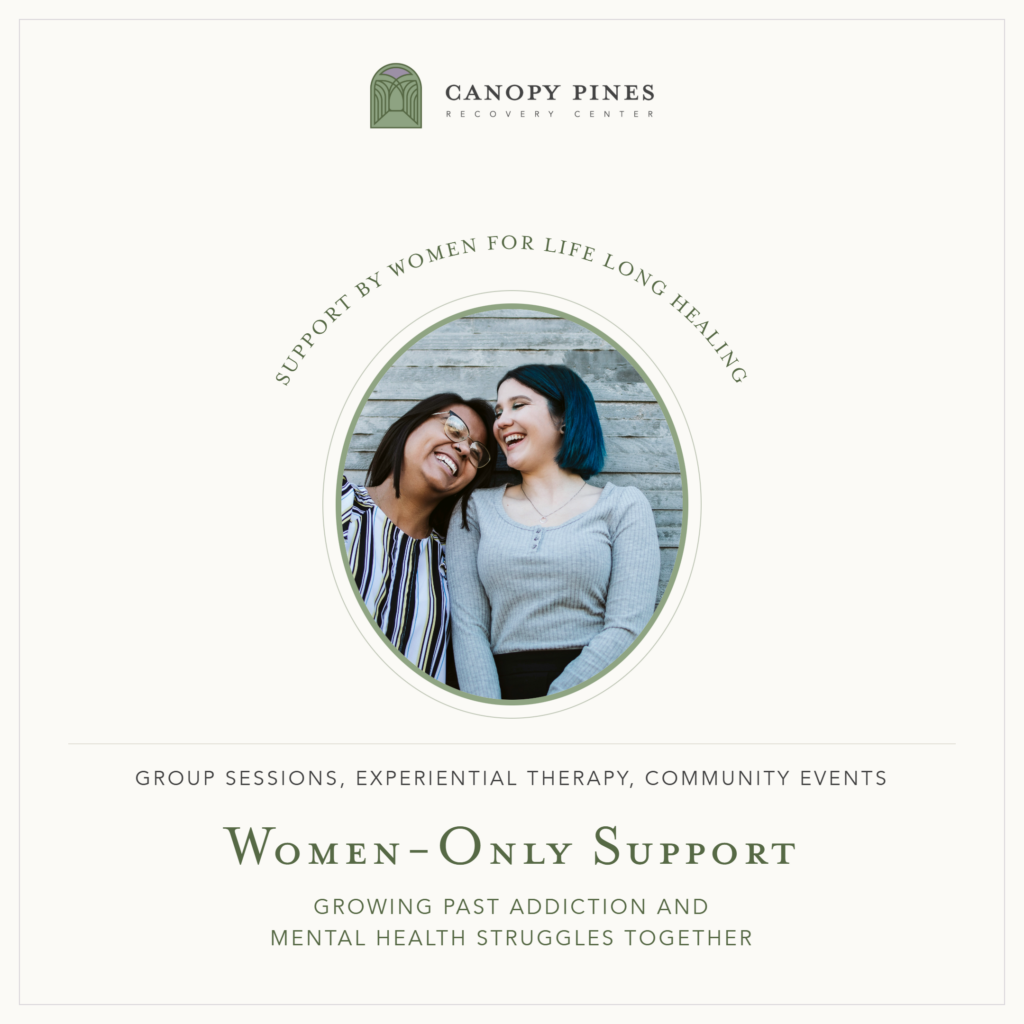
Treatment Created By Women For Women
Why is Cocaine So Addictive?
Cocaine’s addictive power comes from its direct and dramatic effect on the brain’s dopamine reward circuit — the same system that motivates essential behaviors like eating and social bonding. The surge cocaine creates is far more intense than any natural reward, and because the effect fades so quickly, the brain’s craving response activates almost immediately after the high ends. The cycle of use, crash, and craving is self-reinforcing, and tolerance develops rapidly — requiring higher doses more frequently to achieve the same effect. For many women, cocaine addiction can take hold within weeks of first use.

How Long Does it Take to Get Addicted to Cocaine?
There is no single timeline for cocaine addiction — it depends on frequency of use, dose, method of administration, genetic vulnerability, and co-occurring mental health conditions. However, research is clear that cocaine addiction can develop far faster than many people expect. Some individuals meet clinical criteria for Cocaine Use Disorder after only a few weeks of regular use. For women in particular, NIH-funded research published in 2023 confirms that women have a shorter time period from initial cocaine use to meeting criteria for cocaine use disorder and seeking treatment — a pattern known as “telescoping” that has been observed across multiple stimulant substances.
Types of Cocaine and Derivatives of Cocaine That Are Commonly Abused
Cocaine is available in two primary forms, each with distinct characteristics, risks, and addiction profiles:
- Powder cocaine (hydrochloride salt): The most widely used form, typically snorted through the nose, though it can also be dissolved and injected. Snorting cocaine produces effects within 3–5 minutes that last 15–30 minutes. Chronic snorting damages nasal passages and cartilage, and can lead to perforation of the nasal septum. Powder cocaine is most commonly associated with social use that gradually escalates to dependence.
- Crack cocaine: A freebase form of cocaine produced by processing powder cocaine with baking soda and water to create a smokable “rock.” When smoked, crack reaches the brain in seconds and produces an intense but extremely brief high — lasting only 5 to 10 minutes. This rapid onset and short duration make crack cocaine exceptionally addictive, with dependence often developing after only a handful of uses. Crack is significantly less expensive per dose than powder cocaine, which contributes to its prevalence in lower-income communities. According to treatment admission data, nearly 64,000 Americans were admitted to rehabilitation programs for crack cocaine use in a single year.
- Cocaine mixed with other substances: Illicit cocaine is frequently adulterated with fentanyl, levamisole (a livestock dewormer), lidocaine, and other compounds — often without the user’s knowledge. Fentanyl-laced cocaine is now a significant driver of cocaine-involved overdose deaths nationally, as stimulant users who have no opioid tolerance can experience fatal respiratory depression
How Common is Cocaine Use Among Women in Florida?
Nationally, men use cocaine at higher overall rates than women — but the gender gap has been narrowing steadily for more than a decade. Data from the National Survey on Drug Use and Health (NSDUH) shows that past-year cocaine use among women rose from 1.07% in 2010–2011 to 1.52% in 2018–2019 — a 42% increase. Among men and women who do use cocaine, published research in PMC finds that women are just as likely as men to progress from first use to dependence — but they get there faster.
In Florida specifically, cocaine is the second leading cause of drug overdose deaths after fentanyl. Florida data shows 2,400 cocaine-involved deaths in a recent reporting year — making it one of the deadliest drug crises in the state. Meanwhile, cocaine use prevalence among Florida adults has been trending upward in recent years, increasing to approximately 2.13% even as national rates have stayed relatively flat — underscoring why quality cocaine rehabs in Florida are critically needed.
Nationally, NIDA reports that cocaine-involved overdose deaths rose 85% between 2019 and 2023, reaching 29,449 deaths — driven in large part by the increasing contamination of the cocaine supply with illicitly manufactured fentanyl. Women who use cocaine today face a fundamentally different and more lethal drug supply than they did even five years ago.

Signs of Cocaine Use in Women: Recognizing the Warning Signs
Recognizing cocaine use in a loved one — or acknowledging it in yourself — is the critical first step toward getting help. The signs of cocaine addiction in women span physical, behavioral, and psychological domains and may develop gradually before becoming obvious.
Physical signs of cocaine use include:
- Dramatic, rapid weight loss and suppressed appetite
- Dilated pupils and increased sensitivity to light
- Frequent nosebleeds, runny nose, or sniffling (from snorting)
- Hoarse voice or difficulty swallowing
- Elevated heart rate, rapid breathing, and elevated body temperature
- Disrupted sleep — staying awake for extended periods followed by prolonged sleep crashes
- Track marks or injection sites (if IV use)
- Deterioration of nasal tissue with chronic snorting
Behavioral and psychological signs of cocaine use include:
- Sudden bursts of energy, talkativeness, and elevated mood followed by irritability and depression
- Increased risk-taking, impulsivity, and reduced inhibition
- Financial problems — spending money on cocaine at the expense of bills, family needs, or other responsibilities
- Social withdrawal from family, friends, and activities once valued
- Paranoia, anxiety, or panic attacks — particularly as effects wear off
- Secretive behavior and unexplained absences
- Neglect of personal hygiene, appearance, and daily responsibilities
- Inability to stop or cut down despite genuine efforts to do so
How are Symptoms Different for Crack Cocaine vs. Powder Cocaine Addiction?
While crack and powder cocaine share the same active compound, the route of administration and speed of onset create some distinct patterns. Crack cocaine use tends to produce more extreme highs and crashes due to its near-instantaneous delivery to the brain. Women using crack may show more dramatic mood cycling — intense euphoria for a few minutes, followed by agitation, severe cravings, and deep depression within the same hour. The binge pattern of crack use (using repeatedly over several hours or days) often results in more severe physical deterioration, greater financial consequences from more frequent purchases, and a higher degree of social disorganization than powder cocaine use patterns, which may be more episodic at first.
Both forms carry equally serious addiction risk and health consequences — the difference is primarily in the speed and severity of the addiction trajectory
How Does Cocaine Affect Women Differently?

The science is clear that cocaine does not affect men and women in identical ways, and these biological differences have meaningful implications for both the experience of addiction and the design of effective treatment.
According to NIDA’s research on sex differences in substance use, women may be more vulnerable to the reinforcing (rewarding) effects of cocaine than men — with estrogen potentially being a key factor in this heightened sensitivity. Animal studies consistently show that female subjects begin self-administering cocaine more quickly and take it in larger amounts than males. In human research, women report stronger “good drug” subjective effects from cocaine than men, and these effects fluctuate with the menstrual cycle — with greater sensitivity during the follicular phase (when estrogen is highest).
Women also show greater cue-induced cocaine craving than men — meaning environmental triggers (people, places, emotions) provoke stronger urges to use. Women are more likely to attribute relapse to negative emotional states and interpersonal conflict, while men are more likely to relapse in response to drug-related environmental cues. These differences fundamentally shape how treatment needs to be structured for women versus men.
Additionally, women presenting for cocaine addiction treatment are more likely than men to have co-occurring depression, PTSD, and anxiety — conditions that both drove cocaine use and are worsened by it. Women also face greater socioeconomic barriers to treatment, including childcare responsibilities, financial dependence, and a higher burden of shame and stigma. These realities underscore why gender-specific, trauma-informed women’s addiction treatment produces measurably better outcomes.
Cocaine's Effect on Libido and Sexual Health in Women
The relationship between cocaine and sexual health is paradoxical — and ultimately harmful, especially for women. In the short term, cocaine increases dopamine and lowers inhibitions, which many users experience as heightened libido, increased confidence, and enhanced sexual desire. This is one reason cocaine is frequently used in social and sexual contexts. However, cocaine’s short-term sexual enhancement is both illusory and self-undermining.
With chronic use, the picture changes dramatically. Research published in PMC confirms that chronic cocaine abuse is associated with hyperprolactinemia — elevated prolactin levels — which causes diminished libido and difficulty reaching orgasm in women. Cocaine also interferes with normal blood flow, which can produce genital numbness and impaired arousal responses. Additionally, research in reproductive medicine shows that cocaine use in women disrupts the menstrual cycle, creates hormonal imbalances, and can interfere with ovulation — affecting fertility and reproductive health.
The lowered inhibitions and impaired judgment that accompany cocaine use also significantly increase the likelihood of unprotected sex, exposure to sexually transmitted infections, and sexual trauma — all of which compound the psychological burden women carry into treatment. At Canopy Pines, our clinical team is specifically trained to address these interconnected dimensions of women’s health in a safe, non-judgmental environment.
How Residential Treatment Work for Cocaine at Canopy Pines Recovery?

Cocaine addiction is a complex, biologically driven condition that requires far more than willpower and a desire to stop. Residential treatment provides the most comprehensive level of care available — immersive, structured, clinically supervised programming that addresses the neurological, psychological, and relational dimensions of cocaine addiction simultaneously.
The Detox Process
Unlike opioid or benzodiazepine withdrawal, cocaine withdrawal is not typically life-threatening in the direct physical sense. However, dismissing cocaine detox as safe without medical oversight would be a serious error — because the psychiatric risks are real and require clinical supervision.
Cocaine withdrawal unfolds in predictable stages:
- The “Crash” (Hours 1–24 after last use): Immediately following a cocaine binge, users experience an intense crash — exhaustion, depression, increased sleep, and heightened appetite. Intense drug cravings begin almost immediately.
- Acute withdrawal (Days 1–7): Severe depression, anxiety, irritability, difficulty concentrating, and powerful cravings. Sleep disturbances are common. For women with a pre-existing history of depression or trauma, this phase can trigger a psychiatric crisis.
- Protracted withdrawal / PAWS (Weeks 2–10+): Anhedonia (the inability to feel pleasure), persistent low mood, intermittent cravings, and cognitive difficulties can persist for weeks after last use — driven by the slow recovery of the brain’s dopamine system. This extended phase is one of the primary drivers of relapse without ongoing clinical support.
The most significant risk during cocaine withdrawal is not physical collapse — it is suicide. Depression during cocaine withdrawal can become severe enough to constitute a psychiatric emergency, particularly in women with co-occurring PTSD or mood disorders. This is why medically supervised detox for cocaine — with 24/7 psychiatric monitoring — is strongly recommended rather than attempting to quit at home.
Additionally, relapse following even brief abstinence carries a significantly elevated overdose risk, because tolerance drops rapidly after stopping cocaine use. Women who return to cocaine after a
How is Detox and Treatment Handled Differently for Women?
Effective cocaine addiction treatment for women in Florida is not simply standard treatment delivered to female patients — it is a fundamentally different clinical approach built around women’s neurobiology, life histories, and recovery needs.
Key elements of gender-responsive cocaine treatment include:
- Trauma-first clinical framework: Women presenting for cocaine addiction treatment have disproportionately high rates of trauma — including childhood abuse, sexual trauma, and intimate partner violence. Treatment that does not address underlying trauma will leave the most powerful driver of cocaine use unresolved. A trauma-first approach means assessing for trauma on intake, integrating trauma-focused therapies from the start, and ensuring the treatment environment itself is emotionally safe.
- Hormonal and reproductive health considerations: Because cocaine’s reinforcing effects are amplified during certain phases of the menstrual cycle, clinical staff monitor hormonal factors that may influence cravings and emotional regulation throughout treatment.
- Co-occurring psychiatric care: Women in cocaine treatment present with significantly higher rates of depression, anxiety, and PTSD than men. These conditions must be assessed and treated concurrently — not deferred until addiction treatment is “complete.”
- Attention to relational and caregiving factors: Women’s recovery is deeply tied to their relationships. Concerns about children, partners, family judgment, and the stigma of being a mother with an addiction are among the most common barriers to engagement with treatment. A gender-responsive program names these concerns explicitly and provides clinical support for navigating them.
Benefits of Residential Treatment for Cocaine Addiction at Canopy Pines

Canopy Pines Recovery is a women’s residential addiction and mental health treatment center in Tallahassee, Florida. Our program is designed exclusively for women — built on the recognition that lasting recovery from cocaine addiction requires care that is specifically attuned to the biological realities, trauma histories, and life circumstances that shape women’s relationship with substances.
Our clinical team is led by Dr. Lantie Jorandby, MD, Chief Medical Officer, who is triple board-certified in Psychiatry, Addiction Psychiatry, and Addiction Medicine. Dr. Jorandby’s expertise in the neuroscience of stimulant addiction and co-occurring psychiatric conditions makes Canopy Pines uniquely equipped to treat the full complexity of cocaine use disorder in women.
For women with cocaine addiction — particularly those with long-term use, co-occurring mental health conditions, trauma histories, or previous unsuccessful outpatient attempts — residential treatment offers distinct and powerful advantages:
- Complete removal from triggering environments. Cocaine cravings are powerfully cued by environmental stimuli — the people, places, and emotional states associated with use. Residential treatment removes a woman entirely from those contexts, providing the neurological “reset” that early recovery requires. In an environment where cocaine is inaccessible, the early weeks of recovery become possible in a way that outpatient care cannot replicate.
- 24/7 psychiatric and medical monitoring. The depression, anhedonia, and cognitive difficulties of cocaine withdrawal require continuous clinical oversight. Residential programs have the staffing to monitor mood, manage emerging psychiatric symptoms, and intervene immediately if suicidal ideation or other crises develop.
- Intensive, evidence-based therapy. The structured daily schedule of residential treatment allows for a depth of therapeutic work — multiple individual and group sessions per week — that outpatient settings cannot provide. CBT, DBT, EMDR for trauma, motivational enhancement, and family therapy can all be delivered at meaningful intensity within the residential setting.
- Gender-responsive peer community. Women’s groups specifically address the shame, relational patterns, trauma histories, and caregiving concerns that shape cocaine addiction in women. Hearing from peers who share these experiences — and seeing that recovery is possible — is itself powerfully therapeutic.
- Dual diagnosis treatment for co-occurring conditions. Depression, PTSD, anxiety, and other conditions are not waitlisted until cocaine treatment is done. They are treated concurrently from day one, with the appropriate combination of medication management and evidence-based therapy. This integrated approach is one of the strongest predictors of sustained recovery after discharge.
- Individualized aftercare planning from the start. Recovery from cocaine addiction does not end at discharge — it requires a carefully planned continuation of care. Residential treatment provides the time and clinical resources to build a complete aftercare plan tailored to each woman’s needs: step-down programming, ongoing therapy, peer support connections, and practical relapse prevention strategies.
Our cocaine addiction treatment for women in Florida includes:
- Medical evaluation and supervised cocaine detox with psychiatric monitoring
- Individualized treatment planning with ongoing psychiatric oversight
- Individual therapy including CBT, DBT, Motivational Enhancement Therapy, and ACT
- EMDR for trauma processing
- Trauma-informed, gender-responsive group therapy
- Dual diagnosis treatment for depression, anxiety, PTSD, and other co-occurring conditions
- Family therapy and education
- Holistic wellness programming — yoga, mindfulness, nutrition support, physical fitness
- Comprehensive aftercare and individualized relapse prevention planning

Medically Reviewed By Dr. Lantie Jorandby
Triple Board-Certified in Psychiatry, Addiction Psychiatry, & Addiction Medicine