Prescription Drug Addiction Treatment for Women
Residential Treatment Center In Florida That’s Evidence-Based
What Is Prescription Drug Addiction?

Prescription drugs are among the most commonly misused substances in the United States — and in Florida, the problem is especially acute. What makes prescription drug addiction particularly complex is that it often develops quietly, beginning with a legitimate prescription and a physician’s recommendation. By the time someone realizes they are no longer in control of their use, the physical and psychological dependency can be profound.
For women, the path into prescription drug misuse is often shaped by distinct biological and social forces — and the road to recovery requires care that understands and addresses those differences. This guide covers everything you need to know about prescription drug addiction treatment, from recognizing the warning signs to understanding which drugs require medically supervised detox, to the evidence-based therapies and residential treatment programs that give women the strongest foundation for lasting recovery.
Prescription drug addiction — clinically called a Substance Use Disorder (SUD) — occurs when a person’s use of a prescribed medication crosses the line from therapeutic to compulsive. The brain’s reward and regulatory systems become dependent on the drug’s presence to function normally, meaning stopping or reducing use triggers withdrawal symptoms and intense cravings.
Prescription drug addiction can develop even when a person takes their medication exactly as directed. Prolonged use of certain drug classes — particularly opioids, benzodiazepines, and stimulants — creates neurological changes that underlie dependence regardless of intent. This is not a character flaw or a failure of willpower; it is a documented physiological process that happens in the brain.
Addiction vs. Appropriate Medical Use: Understanding the Difference
The distinction between appropriate medical use and addiction is important — and not always obvious. Key indicators that prescription use has crossed into addiction include:
- Taking medication in larger amounts or more frequently than prescribed
- Using prescriptions to manage emotions, stress, or psychological discomfort rather than the original medical symptom
- Obtaining the drug from sources other than your prescribing physician (including friends, family, or illicit sources)
- Continuing to use despite negative consequences to health, relationships, or responsibilities
- Feeling unable to function normally without the medication
- Experiencing withdrawal symptoms when you attempt to stop or reduce use
- Spending significant time and energy obtaining, using, or recovering from use of the drug
If several of these descriptions feel familiar, a professional evaluation is warranted. .
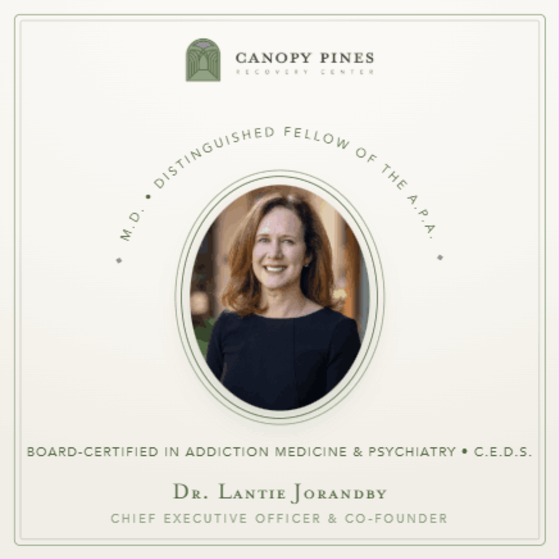
Founded and Led By Dr. Lantie Jorandby
Dr. Lantie Jorandby has dedicated her professional life to treating women with mental illness and addiction, and she is among the most credentialed addiction psychiatrists practicing in the United States today. She is triple board-certified in general psychiatry, addiction psychiatry, and addiction medicine.
What Prescription Drugs Are Most Commonly Abused?
Three categories of prescription drugs account for the vast majority of prescription drug misuse and addiction in the United States:
- Opioid pain relievers: Hydrocodone (Vicodin), oxycodone (OxyContin, Percocet), morphine, codeine, tramadol, and fentanyl patches. These medications are prescribed for moderate to severe pain and carry a high risk of physical dependence. Opioids are the most frequently abused prescription drug class in Florida and nationally.
- Benzodiazepines (central nervous system depressants): Alprazolam (Xanax), diazepam (Valium), lorazepam (Ativan), clonazepam (Klonopin), and temazepam (Restoril). Prescribed for anxiety, panic disorders, and insomnia, benzodiazepines produce calm and sedation — effects that can become habit-forming. In Florida, alprazolam alone was responsible for 260 overdose deaths in just the first half of 2022.
- Prescription stimulants: Amphetamine and dextroamphetamine (Adderall), methylphenidate (Ritalin, Concerta), and lisdexamfetamine (Vyvanse). Prescribed for ADHD and narcolepsy, these drugs increase focus and energy — effects that make them susceptible to misuse, particularly among women managing competing demands. Amphetamines were linked to 418 overdose deaths in Florida in the first half of 2022 alone.
Sleep aids (z-drugs like Ambien), muscle relaxants (carisoprodol/Soma), and certain antidepressants are also misused, though at lower rates.
How Common is Prescription Drug Abuse in Florida?
Florida has a long and well-documented history as a hotspot for prescription drug misuse. At one point, the state was home to the largest concentration of pain clinics in the country — earning it the name “the pill mill capital of America.” While legislative reforms have significantly curtailed pill mills, the legacy of that era continues to shape addiction patterns statewide.
Current data underscores the ongoing scope of the problem: Florida data shows that over 9,038 Floridians died with one or more prescription drugs detected in their system in a recent reporting year — a figure representing a rise of more than 26% from prior years. There are consistently more female inpatients than male inpatients in Florida treatment facilities for both opioids (52% female) and sedatives (54.8% female), reflecting the disproportionate burden prescription drug misuse places on women in the state.
Nationally, NIDA data confirms that women are more likely than men to misuse prescription opioids to self-treat anxiety and emotional pain, and that antidepressants and benzodiazepines send more women than men to emergency departments each year.
Common Signs of Prescription Drug Addiction
The signs of prescription drug addiction vary depending on the drug class involved, but common behavioral, physical, and emotional warning signs include:
- Taking medication at higher doses or more frequently than prescribed
- Visiting multiple doctors to obtain multiple prescriptions (“doctor shopping”)
- Mood swings tied to medication timing — elation when doses are taken, irritability or anxiety when they wear off
- Increasing social isolation or withdrawal from family and friends
- Neglect of personal hygiene, work responsibilities, or parenting duties
- Strong cravings or preoccupation with the next dose
- Continuing to use despite a physician advising otherwise
- Hiding medication use from family members or loved ones
- Financial strain related to obtaining medications
- Physical symptoms specific to the drug class (see below)
Opioid-specific signs: Pinpoint pupils, excessive drowsiness or “nodding off,” constipation, slowed breathing, and euphoria followed by dysphoria.
Benzodiazepine-specific signs: Slurred speech, poor coordination, memory gaps, excessive sedation, confusion, and increased risk-taking behavior.
Stimulant-specific signs: Dramatic weight loss, hyperactivity, reduced sleep, elevated mood and energy followed by crashes, anxiety or paranoia, and elevated heart rate.
How Prescription Drug Addiction Symptoms Affects Women and Men Differently

The clinical picture of prescription drug misuse looks different in women than in men, and those differences have meaningful implications for treatment.
According to NIDA’s research on sex differences in substance use, women are significantly more likely than men to:
- Misuse prescription opioids to cope with emotional pain, anxiety, and chronic stress — not just physical pain
- Be prescribed opioids in the first place, due to higher rates of chronic pain conditions and greater sensitivity to pain
- Seek treatment for misuse of central nervous system depressants (benzodiazepines and sedatives)
- Die from overdoses involving medications for mental health conditions, including antidepressants and benzodiazepines
- Present to emergency departments for antidepressant and benzodiazepine misuse — often because they are prescribed these drugs at higher rates than men due to higher rates of anxiety and insomnia
Women also tend to progress from first use to dependence more rapidly than men — a phenomenon known as “telescoping” — and are more likely to have co-occurring psychiatric conditions like depression, PTSD, and anxiety alongside their prescription drug use disorder. These co-occurring conditions are not incidental; they are often what drove the prescription drug use in the first place and must be treated concurrently in any effective prescription drug rehab program.
Men, by contrast, are more likely to misuse stimulants and illicit drugs and are more likely to present with antisocial behavior and legal consequences related to their substance use. This difference means that treatment that works well in mixed-gender settings may not fully serve the clinical needs of women — which is why women-specific addiction treatment consistently produces better outcomes for female patients.
When to Get Professional Help for Prescription Drug Abuse
One of the most difficult aspects of prescription drug addiction is that the transition from medical use to dependency can be gradual — making it hard to know when “needing help” has crossed into “needing professional treatment.” The following are clear indicators that a higher level of care is warranted:
- You’ve tried to cut down or stop and couldn’t. If multiple sincere attempts to reduce use have failed, the physical and psychological dependency is beyond the reach of willpower alone.
- Withdrawal symptoms appear when you skip doses. Physical withdrawal — anxiety, sweating, shaking, nausea, muscle pain, or insomnia — is a definitive sign of physiological dependence requiring medical supervision.
- Your prescription use is affecting your relationships, work, or parenting. When the consequences of use begin to mount, continued use in the face of those consequences meets the clinical definition of a substance use disorder.
- You are taking more than prescribed or obtaining medication from non-medical sources. This escalation pattern indicates the medical rationale for use has been overtaken by addiction.
- You are using prescriptions to manage emotions or mental health symptoms. Self-medicating depression, anxiety, trauma, or stress with prescription drugs creates a compounding cycle that requires dual diagnosis care to untangle.
- You have experienced or narrowly avoided an overdose. Any overdose event — accidental or intentional — is a medical emergency and a clear signal that immediate professional intervention is needed.
- A family member, doctor, or close friend has expressed serious concern. Sometimes the people who love us see what we cannot yet see in ourselves. Taking their concern seriously could be life-saving.
If any of these describe your situation or that of someone you love, reach out to the admissions team at Canopy Pines for a confidential clinical assessment. Early intervention dramatically improves outcomes.
Detox Process for Prescription Drugs What Happens if You Stop at Home?
Not all prescription drug withdrawal is created equal. The risks — and the timeline — vary significantly depending on the drug class. Here is what you need to know about each major category:
Opioid Pain Relievers:
Intense, Requires Supervision
Opioid withdrawal is rarely fatal in otherwise healthy individuals, but it is intensely uncomfortable and carries life-threatening risks primarily through complications and relapse. Without medical support, the discomfort of opioid withdrawal is one of the leading reasons people relapse — and when tolerance has dropped, even with a brief period of abstinence, returning to a previous dose carries a dramatically elevated overdose risk.
Opioid withdrawal typically follows this timeline:
- 6–24 hours after last dose: Anxiety, restlessness, yawning, teary eyes, runny nose, muscle aches
- Days 1–3 (peak): Severe nausea, vomiting, diarrhea, sweating, chills, insomnia, muscle cramps, racing heart
- Days 4–7: Symptoms begin to subside; fatigue, mood instability, and cravings persist
- Weeks to months: PAWS — depression, anhedonia (inability to feel pleasure), and episodic cravings
Dehydration from severe vomiting and diarrhea can become life-threatening without medical monitoring. Medically supervised detox with medications such as buprenorphine (Suboxone), Clonidine or Naloxone can virtually eliminate opioid withdrawal symptoms while providing a safe bridge to ongoing treatment.
Benzodiazepines:
The Highest-Risk Withdrawal
Benzodiazepine withdrawal carries a genuine risk of death and is one of the few drug withdrawal syndromes that can be fatal without medical intervention. Like alcohol, benzodiazepines work on the brain’s GABA system — the primary inhibitory system in the central nervous system. When the brain has been suppressed by benzodiazepines for weeks or months, abrupt discontinuation can cause the nervous system to “rebound” dramatically, leading to:
- Grand mal seizures (potentially fatal)
- Delirium and hallucinations
- Severe cardiovascular instability (heart attack risk, particularly in older adults)
- Uncontrolled anxiety and panic attacks
- Insomnia so severe it can precipitate psychosis
- Profound depression and suicidal ideation
SAMHSA guidelines are unequivocal: patients detoxing from benzodiazepines should always do so with medical supervision. The standard of care involves a slow, medically supervised taper — gradually reducing the dose over weeks or months rather than stopping abruptly — to allow the nervous system to recalibrate safely. This cannot be safely managed at home.
Timeline:
Acute withdrawal from short-acting benzodiazepines (Xanax, Ativan) typically begins within 6–12 hours of the last dose and peaks within 1–4 days. Longer-acting benzodiazepines (Valium, Klonopin) may not produce peak withdrawal until days 5–7.
Post-acute withdrawal syndrome (PAWS) — characterized by anxiety, insomnia, and cognitive fog — can persist for weeks or months.
Prescription Stimulants: Psychiatric Risks Requiring Supervision
Stimulant withdrawal (from Adderall, Ritalin, Vyvanse, etc.) is not typically physically dangerous in the way that benzodiazepine or opioid withdrawal is. However, the psychiatric risks are significant and require clinical monitoring:
- Severe depression, which can escalate to suicidal ideation
- Extreme fatigue and hypersomnia (sleeping 16–20 hours per day)
- Intense drug cravings
- Anxiety, irritability, and cognitive impairment
The depression associated with stimulant withdrawal can be so profound that it constitutes a psychiatric emergency. For women with a pre-existing history of depression or trauma, stimulant withdrawal without clinical support poses a serious risk of self-harm. Medical supervision and psychiatric monitoring throughout the detox process are strongly recommended.
Therapies and Activities at Canopy Pines for Women's Prescription Addiction
Detox removes the drug from the body. But the longer period of work in recovery — understanding why the addiction developed, building new coping skills, and healing the underlying emotional wounds — happens in the therapeutic sessions of our comprehensive prescription drug addiction treatment program. The following therapies have the strongest evidence base for women with prescription drug use disorders:

CBT is the most extensively studied behavioral treatment for substance use disorders. It teaches patients to identify the specific thought patterns, emotional triggers, and environmental cues that drive drug use — and to replace automatic, destructive responses with deliberate, healthy ones. For women who have been using prescription drugs to manage emotional pain or anxiety, CBT provides a practical, replicable toolkit for navigating those triggers without substances. Skills learned in CBT continue to build over time, making it one of the most durable components of long-term recovery.
Originally developed for individuals with borderline personality disorder and chronic emotional dysregulation, DBT has proven highly effective in women’s addiction treatment — particularly for those with histories of trauma, self-harm, or intense mood swings. DBT builds four foundational skill sets: mindfulness, distress tolerance, emotion regulation, and interpersonal effectiveness. For women who have turned to prescription drugs to escape overwhelming emotions, DBT provides a structured, evidence-based alternative.
Trauma is one of the most common drivers of prescription drug misuse in women. EMDR is an evidence-based trauma therapy that allows the brain to process and integrate traumatic memories without requiring the person to discuss them in detail. By pairing bilateral sensory stimulation with carefully guided trauma processing, EMDR reduces the emotional charge that traumatic memories carry — and with it, the urge to self-medicate that pain. Learn how EMDR therapy is used at Canopy Pines as part of a comprehensive treatment plan.
Motivational Enhancement Therapy (MET)
Ambivalence is a natural part of early recovery — the pull of habit, fear of withdrawal, and uncertainty about life without the drug are all real. MET is a structured, empathetic counseling approach that helps women explore and resolve their own ambivalence about change, building internal motivation that is more lasting than external pressure. It is particularly effective for women who feel coerced into treatment by family or employers rather than fully self-motivated.
Experiential and Wellness Activities

The brain and body recovering from prescription drug dependence need more than talk therapy. Holistic practices integrated into a residential program — yoga, mindfulness meditation, physical fitness, art therapy, nutritional support, and time in nature — help rebuild the nervous system’s capacity for calm, pleasure, and self-regulation. These activities support neurological healing, reduce anxiety and cravings, and help women rebuild a positive relationship with their bodies after the physical toll of addiction
Prescription drug addiction rarely affects only one person. Spouses, children, parents, and siblings often carry their own pain, confusion, and enabling patterns that must be addressed for the whole family system to heal. A robust family component — including educational sessions and structured family therapy — is a mark of quality in any prescription drug rehab program. When family members understand addiction as a medical condition and learn healthy ways to support recovery without enabling, outcomes for the woman in treatment improve measurably.
Benefits of Residential Treatment for Prescription Drug Addiction at Canopy Pines
Our program is led by Dr. Lantie Jorandby, MD, triple board-certified in Psychiatry, Addiction Psychiatry, and Addiction Medicine. Dr. Jorandby’s expertise spans the full spectrum of prescription drug use disorders and the co-occurring psychiatric conditions that accompany them in women — including depression, PTSD, anxiety, and bipolar disorder.
Our Florida prescription drug addiction treatment program includes:
- Medical evaluation and individualized detox planning for opioids, benzodiazepines, and stimulants
- Medically supervised withdrawal management with 24/7 clinical monitoring
- Individual therapy (CBT, DBT, MET, ACT)
- EMDR for trauma processing
- Trauma-informed, gender-responsive group therapy
- Psychiatric evaluation and dual diagnosis treatment for co-occurring conditions
- Family program and education
- Holistic wellness programming — yoga, mindfulness, nutrition support
- Comprehensive aftercare and relapse prevention planning
For women with moderate to severe prescription drug addiction — particularly those with long-term use, multiple failed outpatient attempts, co-occurring mental health conditions, or unstable home environments — residential treatment provides the most comprehensive and clinically effective level of care available.
Medically Supervised Detox Followed by Seamless Transition to Personalized Therapy
One of the most clinically significant advantages of residential treatment is continuity of care. Rather than completing detox in one setting and then trying to find and access therapy in another, our residential program delivers medical detox and behavioral treatment as a seamless, coordinated sequence. During day one of the detox process, we begin to form a tailored plan for treatment that gives best chance for long-term recovery. The team who begins treatment during detox continues that relationship through the residential phase — building the trust and insight necessary for deep clinical work.
Round-the-Clock Psychiatric and Medical Support
Prescription drug withdrawal and early recovery are periods of significant neurological and psychiatric instability. Depression, anxiety, insomnia, cravings, and mood swings can intensify unpredictably. Having around-the-clock access to our experienced medical and psychiatric staff means that any crisis — whether physical or emotional — is managed immediately rather than spiraling.
Gender-Responsive Treatment Addressing Women's Specific Needs
Research consistently shows that women achieve better treatment outcomes in gender-specific environments. A women-only residential program provides:
- Safety and trust that enables genuine disclosure of trauma, abuse, and shame
- Programming designed around the biological realities of women’s addiction (hormonal influences, reproductive health, maternal roles)
- Peer community with women who share similar experiences and motivations for recovery
- Reduced stigma and increased willingness to engage fully with the therapeutic process
The majority of women seeking treatment for prescription drug addiction have at least one co-occurring mental health condition — most commonly depression, anxiety, PTSD, or a mood disorder. Residential treatment has the clinical depth and duration to treat both the addiction and the underlying mental health condition simultaneously. Without this integrated dual diagnosis approach, untreated mental health symptoms become the primary driver of relapse after discharge.
Structured Aftercare Planning from Day One
Sustained recovery requires a plan that extends well beyond the residential phase. A quality program begins building each woman’s individualized aftercare plan from the first week of treatment — identifying the next level of care (partial hospitalization, intensive outpatient, sober living), connecting her with ongoing therapy and peer support, and ensuring a smooth transition back into life with the skills and supports needed to maintain sobriety.

Medically Reviewed By Dr. Lantie Jorandby
Triple Board-Certified in Psychiatry, Addiction Psychiatry, & Addiction Medicine