
Women's Opioid Addiction Treatment in Tallahassee, FL
Medical detox, medication-assisted treatment and residential care, built by women for women.
Canopy Pines Recovery provides women-only opioid addiction treatment and help in Tallahassee, Florida, including on-site medical detox, medication-assisted treatment (MAT) with buprenorphine, and trauma-informed residential care. Care is overseen by triple board-certified addiction psychiatrist Dr. Lantie Jorandby.
If someone you love is struggling with opioids, you have probably already noticed that the person in front of you is not quite the person you know. Opioid addiction changes behavior, priorities, and health faster than most families expect — and for women, it often progresses on a shorter timeline than it does for men.
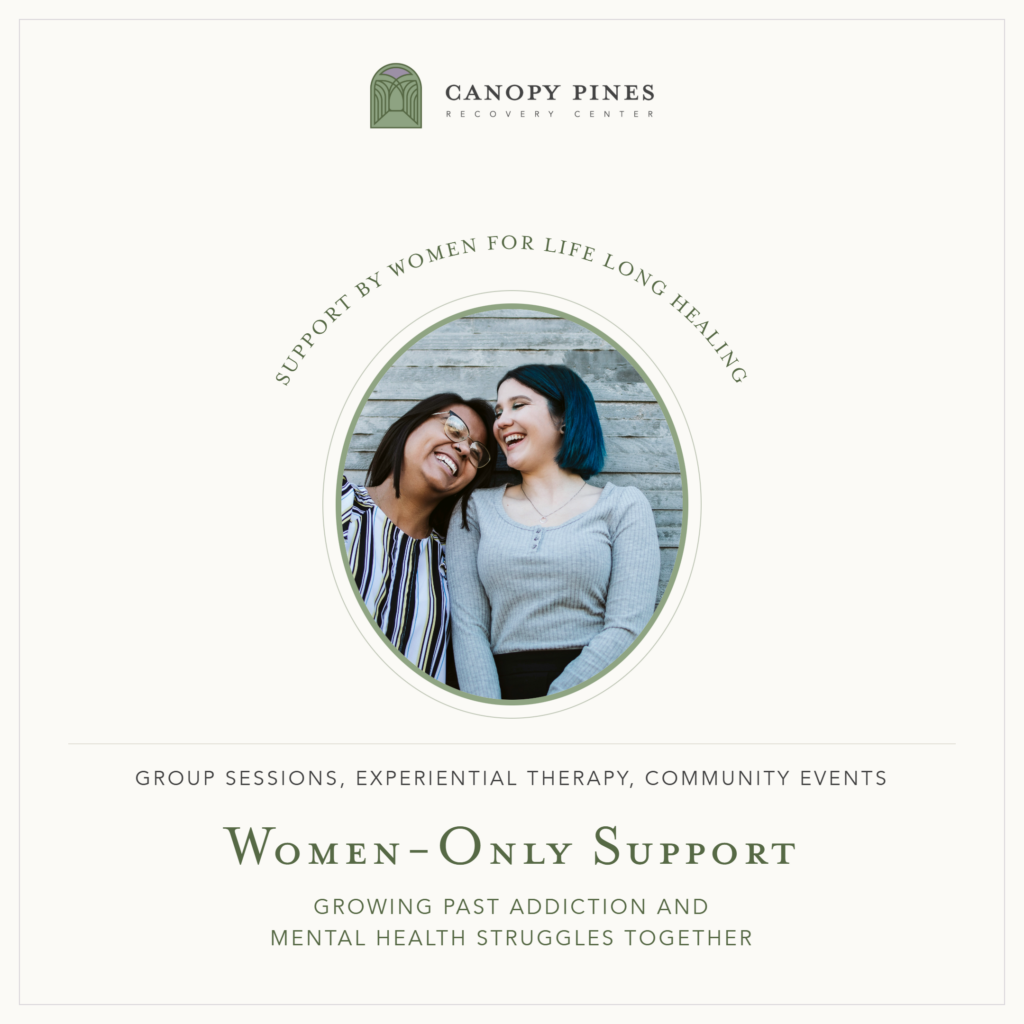
Treatment Created By Women For Women
Canopy Pines Recovery understands women go through unique situations that can lead to mental health and substance abuse issues. Our program is built by experienced, credentialed women, using evidence-based studies, to address those specific needs for the highest chance at lasting recovery. Withdrawal is easier, and safer, with medical support. Our team can walk you through detox options today.
What Is Opioid Addiction?
Opioid addiction, known clinically as opioid use disorder, is a chronic medical condition in which a person continues using opioids despite serious consequences to health, relationships, and daily functioning. Opioids were involved in an estimated 44,564 U.S. overdose deaths in 2025, according to the CDC. That’s down from 55,296 in 2024, but still more than 60% of all overdose deaths. It is not a matter of willpower. Opioids act on receptors in the brain that regulate pain, reward, and breathing, and with repeated exposure the brain adapts — requiring more of the drug to feel normal and producing withdrawal when the drug is removed.
The category includes prescription medications such as oxycodone, hydrocodone, and morphine, as well as heroin and illicitly manufactured fentanyl. The National Institute on Drug Abuse notes that opioid misuse can begin with a legitimate prescription and progress to dependence, which is part of why so many families are caught off guard.
What Are The Symptoms And Signs Of Opioid Addiction?
Opioid addiction signs tend to show up across three areas at once: the body, the behavior, and the person’s inner life. Physical and behavioral changes to watch for include:
- Constricted, pinpoint pupils that do not respond normally to light
- Cycles of drowsiness and alertness — nodding off mid-conversation, then seeming fine hours later
- Slowed or shallow breathing, especially during sleep
- Constipation, nausea, or unexplained itching
- Running out of prescriptions early, or seeking refills from more than one provider
- New financial problems without a clear explanation, or missing money and valuables
- Withdrawal from family, friends, and activities that used to matter
- Secrecy about whereabouts, new social circles, or long stretches of unreachability
- Neglected responsibilities at work, at school, or with children
- Mood swings, irritability, or anxiety that intensify as a dose wears off
None of these signs is proof on its own. The pattern matters more than any single symptom — particularly when several appear together and worsen over weeks.
What Are Common Opioid Withdrawal Symptoms?
Opioid withdrawal is rarely life-threatening on its own, but it is intensely uncomfortable, and that discomfort is the single most common reason people return to use before treatment can take hold. Symptoms typically begin within 8 to 24 hours of the last dose for short-acting opioids, and can be delayed and prolonged with fentanyl.
- Muscle aches, joint pain, and restless legs
- Sweating, chills, and goosebumps
- Nausea, vomiting, diarrhea, and abdominal cramping
- Runny nose, watery eyes, and yawning
- Insomnia and severe agitation
- Rapid heart rate and elevated blood pressure
- Intense anxiety, irritability, and drug craving
Dehydration from prolonged vomiting and diarrhea is the complication that most often turns dangerous. That is one of several reasons medically supervised detox is safer than attempting withdrawal at home.

How Can You Recognize Someone With Opioid Addiction?
Families and healthcare professionals often see the picture before the person using does. Women in particular may hide opioid use longer, because the stigma attached to a mother, a nurse, or a caregiver with an addiction is heavier and the fear of losing custody, licensure, or standing is real.
That fear is worth naming directly when you raise the subject. Approaching a loved one with specific observations — not accusations — and a concrete next step tends to work better than an ultimatum. If you are not sure how to start that conversation, our admissions team talks families through it every day.
If you suspect an overdose, call 911 immediately. Warning signs include unresponsiveness, slowed or stopped breathing, blue-tinged lips or fingertips, and gurgling or choking sounds. Naloxone can reverse an opioid overdose and is available without a prescription in Florida pharmacies.
What Are Dangers Of Opioid Use For Women?
Opioid addiction affects women differently than men, and those differences shape what effective treatment looks like. Understanding them is not academic — it changes how detox is managed, which therapies help, and what recovery has to account for.
How Do Opioids Affect Women Versus Men?
Research summarized by the National Institute on Drug Abuse points to several consistent patterns. Women tend to begin using opioids at lower doses, often for chronic pain conditions that are more prevalent among women. They also progress from first use to dependence more rapidly than men do — a phenomenon researchers call telescoping. Body composition, hormonal fluctuation, and differences in how opioids are metabolized all contribute.
Women are also more likely to be prescribed opioids in the first place, and more likely to be using them alongside a prescribed benzodiazepine or sleep aid — a combination that substantially raises overdose risk because both classes of drug suppress breathing.
Finally, women with opioid use disorder have higher rates of co-occurring depression, anxiety, and post-traumatic stress. A history of trauma is common, and opioids frequently function as a way to manage symptoms that were never treated. This is why treatment for co-occurring mental health conditions is not an add-on at Canopy Pines — it runs alongside addiction care from day one.
What Are The Risks of Taking Opioids While Pregnant?
Opioid use during pregnancy carries risks for both the pregnant person and the developing baby. The Centers for Disease Control and Prevention identifies associations with preterm birth, low birth weight, and neonatal opioid withdrawal syndrome, in which an infant exposed to opioids in utero experiences withdrawal after delivery.
The critical point for families to understand is this: stopping opioids abruptly during pregnancy is not the safe choice. Sudden withdrawal can cause fetal distress and increases the likelihood of return to use, which carries far greater overdose risk. The American College of Obstetricians and Gynecologists recommends medication-assisted treatment with buprenorphine or methadone as the standard of care for opioid use disorder in pregnancy, coordinated with prenatal care.
If you are pregnant and using opioids, tell a physician. The medical response is treatment, not punishment, and getting into care early meaningfully improves outcomes for both of you.

Can a Woman Become Addicted to Opioids Prescribed During Labor?
This is one of the most common questions out there, and the reassuring answer is that a single course of opioid analgesia administered during labor and delivery does not cause addiction. Epidural anesthesia and short-term post-delivery pain management are given under close monitoring, at controlled doses, for a limited window.
The risk that does deserve attention comes afterward. Opioids prescribed for recovery from a cesarean section or a difficult delivery are sometimes continued longer than clinically necessary, and a small percentage of women who had no prior opioid exposure go on to persistent use. Sleep deprivation, postpartum pain, and untreated postpartum depression all raise that risk.
Practical steps: ask your obstetrician how many days of opioid medication you actually need, ask what non-opioid options are available, and dispose of leftover pills rather than keeping them. If you have a personal or family history of substance use disorder, say so before delivery so your care team can plan around it.
What Are The Benefits of Residential Opioid Addiction Treatment for Women at Canopy Pines?
Opioid addiction is treatable, and the evidence is consistent that structured treatment produces better outcomes than attempting recovery alone. Residential treatment removes the person from the setting where the routine, supply, and the daily triggers that sustain use, and replaces them with round-the-clock medical oversight and a full clinical schedule.
A women-only setting adds something a mixed-gender program cannot. Women in early recovery frequently need to talk about trauma, sexual violence, motherhood, custody, body image, and relationship dynamics that they are likely not raise in a room with men present. Removing that barrier changes what happens in the first two weeks of treatment — and the first two weeks set the trajectory for everything after.

What Are The Detox Procedures And Detox Medications For Opioids?
Treatment begins with a full medical and psychiatric assessment, including screening for pregnancy, co-occurring conditions, and other substances in use. From there, detox is managed with medication and monitoring rather than left to run its course.
The Substance Abuse and Mental Health Services Administration recognizes three medications are FDA-approved to treat opioid use disorder: methadone, buprenorphine and naltrexone. At Canopy Pines, our medical team uses buprenorphine (Subutex), a partial opioid agonist that eases withdrawal and cravings without producing the same high. Its ceiling effect lowers overdose risk. Other supportive medications ease nausea, muscle aches, insomnia and anxiety during withdrawal.
Methadone is dispensed only through federally certified treatment programs, and naltrexone (Vivitrol) is started after detox.
- Buprenorphine — a partial opioid agonist that relieves withdrawal symptoms and cravings without producing the same high. It has a ceiling effect that makes overdose less likely than with full agonists.
- Naltrexone — an opioid antagonist that blocks opioid effects entirely. It requires full detoxification before it can be started safely.
Supportive medications for nausea, muscle aches, diarrhea, insomnia, and anxiety are used alongside these throughout withdrawal. Ongoing medication management continues through residential treatment and into aftercare, with adjustments made as symptoms change.
Medication-Assisted Treatment for Opioid Addiction in Tallahassee
Medication-assisted treatment (MAT) combines FDA-approved medication with therapy to ease withdrawal, reduce cravings, and lower overdose risk. At Canopy Pines, MAT starts during medical detox and continues through residential care, with a plan for what comes after discharge.
Subutex vs. Suboxone: What’s the Difference?
Subutex and Suboxone both contain buprenorphine, a partial opioid agonist that stabilizes the brain’s opioid receptors without producing the same high as full opioids. Suboxone adds naloxone, an ingredient included to discourage misuse by injection. Buprenorphine is the medication doing the clinical work in both.
Canopy Pines uses buprenorphine (Subutex) during detox and residential treatment. Our medical team chooses the medication and dose for each woman based on her substance history, health, and goals.
What Happens With Medication After Residential Treatment?
Before discharge, our team builds a medication plan for continuing care. That can include ongoing buprenorphine through an outpatient prescriber, a transition to naltrexone, or another approach that fits her recovery. [CONFIRM WITH CLINICAL TEAM: do you coordinate referrals to outpatient buprenorphine prescribers in the Tallahassee area?]
What Therapies Help Women With Opioid Addiction?
Medication addresses the physiology. Therapy addresses everything that led to opioid use and everything that will make staying in recovery possible. A women’s opioid addiction treatment program typically combines:
- Cognitive behavioral therapy (CBT) — identifying the thought patterns that precede use and building alternative responses
- Dialectical behavior therapy (DBT) — distress tolerance and emotional regulation skills, particularly useful where self-harm or intense mood swings are present
- EMDR and other trauma-focused therapies — processing traumatic memory without requiring the person to narrate it repeatedly
- Individual therapy — consistent one-to-one work with the same clinician throughout the stay
- Group therapy — peer connection with other women, which reduces the isolation and shame that sustain opioid use
- Family therapy — repairing relationships and giving families a realistic picture of what recovery asks of everyone
- Experiential and expressive therapies — art, movement, and mindfulness work that reaches material talk therapy sometimes cannot

Why Canopy Pines' Aftercare Matters in Opioid Addiction Recovery?
The period immediately after residential treatment is the highest-risk window in the entire recovery process. Opioid tolerance drops sharply during abstinence, which means a return to a previously routine dose can be fatal. This is the single most important thing for families to understand about relapse risk after treatment.
Structured aftercare planning is what carries clinical gains out of the facility and into ordinary life. A strong plan generally includes continued medication management, a step-down level of care such as outpatient therapy, an established relationship with a local prescriber and therapist, peer support, and a written relapse prevention plan that names specific triggers and specific responses.
It should also include naloxone in the home and family members who know how to use it. That is not a statement of low expectations — it is the same reasoning behind keeping an epinephrine auto-injector for a known allergy. Recovery from opioid addiction is entirely achievable, and planning for the worst outcome is part of how people survive long enough to reach the best one.
What To Expect When You Call
- Call or submit a form. An admissions coordinator answers your questions and checks your insurance, usually the same day.
- Pre-admission assessment. A short phone screening covers your substance use, health and any pregnancy so we can plan safe detox.
- Medical detox. On arrival, our medical team manages withdrawal with buprenorphine and round-the-clock monitoring.
- Residential treatment. Daily therapy, wellness activities and medication management in a women-only community. Typical stays run 14 to 30 days.
- Step-down care. Continue with partial hospitalization, intensive outpatient or virtual IOP, plus a written relapse prevention plan and naloxone at discharge.
Opioid Treatment FAQ
Does Canopy Pines offer Suboxone for opioid addiction?
Canopy Pines uses buprenorphine (Subutex), the same main medication found in Suboxone, without the added naloxone. Our medical team prescribes it during detox and residential treatment to ease withdrawal and cravings. Your medication plan is based on your history, health and goals, and continues into aftercare.
Does Insurance Cover Opioid Addiction Treatment?
Most private insurance plans cover at least part of opioid detox and residential treatment, because federal parity law requires plans to cover addiction treatment comparably to other medical care. Canopy Pines works with most major insurance providers to help you get financial assistance. Our admissions team can verify your benefits quickly and explain any out-of-pocket costs before you commit.
How long is residential opioid treatment for women?
Most women stay 14 to 30 days, depending on their progress, detox needs and insurance. Your treatment team reviews your plan regularly and recommends a step-down level of care, including Virtual IOP and partial hospitalization when you are ready.
Is opioid detox dangerous?
Opioid withdrawal is rarely life-threatening on its own, but it is intensely uncomfortable and can cause dangerous dehydration. Detoxing at home also raises the risk of returning to use. Medically supervised detox uses medication and 24-hour monitoring to keep you safe and more comfortable.
Can my family visit or call during treatment?
Yes. After the first seven days, residents can have approved family visits on Sundays and daily phone time. Family therapy is strongly encouraged and can happen on site or by telehealth.
Why choose a women-only opioid treatment program?
Women often start opioids for pain. They progress to dependence faster than men and carry higher rates of trauma, anxiety and depression. A women-only setting makes it easier to talk openly about trauma, motherhood, relationships and body image, which are often left unsaid in mixed groups.
What happens after residential treatment?
The weeks after residential care carry the highest relapse risk, because tolerance drops during treatment. Canopy Pines builds a step-down plan that can include partial hospitalization, intensive outpatient or virtual IOP, continued medication management, peer support and naloxone for home.
Where is Canopy Pines located?
Canopy Pines Recovery is at 13305 Mahan Drive, Tallahassee, FL 32309. We serve women from Tallahassee and the Big Bend region as well as those traveling from elsewhere in Florida and outside the state. Call 850-852-0785 for admissions.
Can I get Suboxone in Tallahassee at Canopy Pines?
Canopy Pines uses buprenorphine (Subutex), the same main medication in Suboxone, during detox and residential care. Our team also plans continuing medication care for after discharge.
How quickly can I start opioid treatment in Tallahassee?
At Canopy Pines Recovery, we want to ensure all people struggling with opioid abuse get assistance ASAP. Call 850-852-0785. Admissions will verify insurance and either provide recommendation or schedule a pre-admission screening.
Is medication-assisted treatment covered by insurance?
Most private insurance plans cover at least part of MAT, detox, and residential care. Our admissions team will check your benefits and explain any out-of-pocket costs before you arrive.
Getting Help for Opioid Addiction in Tallahassee
Canopy Pines is a women-only detox and residential treatment center on 30 acres outside Tallahassee. Treatment is designed and led by Dr. Lantie Jorandby, triple board-certified in psychiatry, addiction psychiatry, and addiction medicine. Here, recovery isn’t rushed. It’s supported by structure, open land, and time in the shade to truly heal. View treatment options

Medically Reviewed By Dr. Lantie Jorandby
Triple Board-Certified in Psychiatry, Addiction Psychiatry, & Addiction Medicine