When someone we love is struggling, most of us want to help but freeze because we are afraid of saying the wrong thing. Learning how to support those with mental health issues does not require a clinical degree—it requires a willingness to notice the signs, to listen without judgment, and to know where to point someone when they are ready. This guide is written for the referring providers, family members, and friends who are often the first line of support in a person’s recovery.
Understanding Mental Health Issues
Mental health issues are derived of one or more conditions that affect how a person thinks, feels, behaves, and relates to others. When severe enough, they interfere with everyday functioning at work, at home, and in relationships. The federal Substance Abuse and Mental Health Services Administration (SAMHSA) notes that these disorders are common, often serious, and, importantly, treatable, with many people going on to recover. Recognizing a struggle early is one of the most protective things a provider or loved one can do.
The Spectrum of Severity
Mental health exists on a non-linear continuum rather than in two neat boxes of “well” and “unwell.” At one end are the ordinary stresses everyone weathers. Further along are diagnosable conditions such as depression and anxiety that respond well to outpatient care. At the far end is serious mental illness—defined by SAMHSA as a condition that causes serious functional impairment and substantially limits one or more major life activities. A person can move along this spectrum over time, which is exactly why the small, early changes described below deserve attention rather than dismissal.
Common Ways To See Someone May Be Struggling
Serious conditions such as schizophrenia or bipolar disorder rarely appear overnight. Far more often, family, friends, teachers, and coworkers notice subtle shifts in thinking, mood, or behavior long before a formal diagnosis is ever made. According to the National Institute of Mental Health (NIMH), warning signs deserve the most attention when a behavior is new or has clearly intensified in recent weeks. Common early clues include:
- Persistent sadness, hopelessness, or feeling empty or trapped
- Excessive worry, fear, or a racing mind
- Withdrawing from friends, hobbies, and activities the person used to enjoy
- Feeling worthless or believing they are a burden to others
- Noticeable changes in sleep, appetite, or energy
- A drop in performance at work or school
What Hayden Panettiere's Story Teaches Us About Mental Health
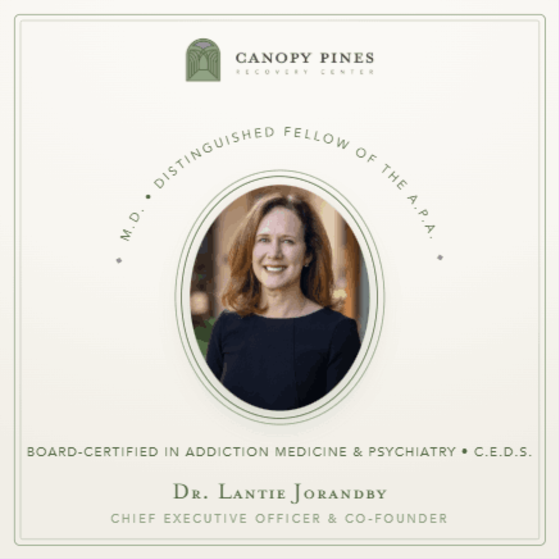
The urgency of this situation was underscored this week. In August 2026, actress Hayden Panettiere died at the age of 36. Our own Chief Medical Officer, Dr. Lantie Jorandby, wrote about what her life can teach us in Psychology Today, titled The Intersection of Motherhood, Mental Health, and Addiction. Dr. Jorandby is careful to note that she did not know or treat Panettiere and can speak only to what the actress shared publicly, an important reminder to approach any person’s story with humility rather than assumption.
View Dr. Lantie’s Full Article Here
Hayden Panettiere, Mental Health, and Postpartum Depression
By any outward measure, Panettiere had every gift, a celebrated career on shows like Heroes and Nashville. After the birth of her daughter in 2014, she spoke openly about her experience with postpartum depression, describing it publicly as frightening and arguing that postpartum mood issues deserve far more attention. Dr. Jorandby, who began her career in obstetrics and gynecology, emphasizes that peri- and postpartum mental health problems remain misunderstood, underdiagnosed, and undertreated even in the 21st century. This is the quieter half of Panettiere’s story: a serious, treatable condition that too often goes unaddressed.
Hayden Panettiere and Addiction
Panettiere also spoke publicly about her struggles with alcohol and opioid addiction, and in 2018 she gave full custody of her daughter to the child’s father amid her depression and addiction. Dr. Jorandby uses Panettiere’s death, cause undetermined at the time of writing, to reflect on what economists call a “death of despair,”, which is a term describing the rise in deaths tied to overdose, suicide, and the medical complications of addiction. The point is not to speculate about any one person, but to recognize a pattern: for many women, substance use and emotional pain are deeply intertwined.
Mental Health and Dual Diagnosis: The Larger Picture for Women
Panettiere’s experience reflects a much broader reality. When a mental health condition and a substance use disorder occur together, clinicians call it a co-occurring disorder, or dual diagnosis. SAMHSA’s 2024 national survey estimates that roughly 21 million U.S. adults live with both at the same time, and research shows the two conditions feed each other—when one goes untreated, the other tends to worsen. Dr. Jorandby highlights risks that fall especially hard on women:
- Telescoping. Women often progress from first use to full addiction faster than men, and the medical consequences—liver disease, heart disease, and more—tend to appear earlier.
- Trauma as a driver. In her women-specific program, Dr. Jorandby notes that 75–80% of women with addiction have experienced trauma, and that trauma frequently precedes the addiction.
- Barriers to care. Women face heightened stigma, caregiving expectations, and real fears—such as losing custody of their children—that can keep them from seeking treatment.
Lantie’s conclusion is also her clinical recommendation: women benefit most from gender-responsive care that treats mental health and addiction together, in a protective environment that addresses trauma, hormonal health, and social needs. It is precisely why treatment designed specifically for women matters.
A note on a hard topic. This article touches on trauma and deaths of despair, which are issues that may need emergency help. If you or someone you know is in emotional distress and you suspect they may self-harm, help is available right now. Call or text the 988 Suicide & Crisis Lifeline (dial 988), or reach SAMHSA's National Helpline at 1-800-662-HELP (4357) for free, confidential, 24/7 support and treatment referrals.
How to Recognize Someone Struggling With Mental Health Issues
The first step to helping someone is recognizing the signs. It helps to watch three areas at once: body language, mood, and daily habits.
Physical Signs
- Noticeable weight loss or gain, skipping meals, or other changes in eating
- Sleeping far more or far less than usual, or ongoing fatigue
- Neglecting personal hygiene or appearance
- Frequent unexplained aches, headaches, or stomach complaints
- Appearing restless, agitated, or unusually slowed down
Behavioral Signs: Changes in Mood
- Persistent sadness, irritability, or anger that seems out of character
- Dramatic mood swings or heightened anxiety and fearfulness
- Loss of interest or pleasure in things they once cared about
- Expressions of hopelessness, guilt, or feeling like a burden
- Emotional numbness or difficulty connecting with others
Behavioral Signs: Changes in Habits
- Pulling back from friends, family, and social activities
- A slipping attendance or performance record at work or school
- New or increased use of alcohol or drugs to cope
- Getting into unusual trouble, either conflicts, accidents, or risky behavior
- Trouble concentrating, making decisions, or completing routine tasks
A single sign on its own is rarely cause for alarm. What matters is a cluster of changes that is new, persistent, or intensifying. When mood, habits, and physical signs shift together, especially alongside substance use, it may point to a co-occurring condition that warrants professional mental health care.
Best Practices for Approaching Someone With Mental Health Issues
Once you have noticed the signs, how you open the conversation shapes whether the person feels supported or cornered. Guidance from the National Alliance on Mental Illness (NAMI) offers a reliable playbook.
Starting the Conversation
- Choose the right setting. Talk somewhere private, comfortable, and free of distractions and interruptions.
- Ease in gently. Lead with an observation, rather than an accusation, something like noticing they have not seemed like themselves lately and asking whether they would like to talk.
- Listen to understand, not to fix. Reflective listening; Repeating back what you heard helps a person feel genuinely heard, which makes them far more open to your concern. Hold your advice until they ask for it.
- Stay calm and unhurried. Speak in a relaxed voice, stick to one topic at a time, and remember that silences and pauses are perfectly fine.
- Offer hope. Remind them that mental illness is a health condition, not a personal failing, and that people living with these conditions get better and lead full lives every day.
It also helps to know what tends to backfire. NAMI advises against criticizing, blaming, raising your voice, or issuing ultimatums, and against talking too much, too fast, or too loudly. Pressure and lectures usually increase resistance; patience and warmth lower it.
When Addiction Is Part of the Picture
If you suspect a co-occurring substance use disorder, the same principles apply, with a few additions. Focus on specific behaviors you have observed rather than labels like “addict.” Avoid confronting someone while they are intoxicated. Express care for the person while being honest about the impact of the behavior, and understand that resistance and denial is normal—few people are ready to change on the first conversation. Because untreated mental health and substance use conditions worsen one another, gently encouraging integrated treatment that addresses both at once is one of the most helpful things you can do.
How to Offer Help Without Offending or Intimidating
Once you have noticed the signs, how you open the conversation shapes whether the person feels supported or cornered? Guidance from the National Alliance on Mental Illness (NAMI) offers a reliable playbook.
Starting the Conversation
- Choose the right setting. Talk somewhere private, comfortable, and free of distractions and interruptions.
- Ease in gently. Lead with an observation, rather than an accusation, something like noticing they have not seemed like themselves lately and asking whether they would like to talk.
- Listen to understand, not to fix. Reflective listening; Repeating back what you heard helps a person feel genuinely heard, which makes them far more open to your concern. Hold your advice until they ask for it.
- Stay calm and unhurried. Speak in a relaxed voice, stick to one topic at a time, and remember that silences and pauses are perfectly fine.
- Offer hope. Remind them that mental illness is a health condition, not a personal failing, and that people living with these conditions get better and lead full lives every day.
It also helps to know what tends to backfire. NAMI advises against criticizing, blaming, raising your voice, or issuing ultimatums, and against talking too much, too fast, or too loudly. Pressure and lectures usually increase resistance; patience and warmth lower it.
When Addiction Is Part of the Picture
If you suspect a co-occurring substance use disorder, the same principles apply, with a few additions. Focus on specific behaviors you have observed rather than labels like “addict.” Avoid confronting someone while they are intoxicated. Express care for the person while being honest about the impact of the behavior, and understand that resistance and denial is normal—few people are ready to change on the first conversation. Because untreated mental health and substance use conditions worsen one another, gently encouraging integrated treatment that addresses both at once is one of the most helpful things you can do.
The line between supporting someone and overwhelming them is real, but it is easy to honor once you know where it sits. The goal is to protect the person’s dignity and sense of control.
- Frame help as a choice, not a command. Questions like “Would you be open to trying…?” or “Do you think it would help if…?” continue to offer support through the resistence. That feels far less threatening than instructions.
- Ask before advising. A simple “How can I help?” respects that they are the expert on their own experience.
- Respect their pace and privacy. If they are not ready to talk, a warm greeting and an open door still matter. You can gently try again another day.
- Avoid minimizing or comparing. Skip phrases that dismiss their pain or tell them how they should feel; acknowledge the difficulty instead.
- Be a bridge, not the whole solution. You do not have to be a therapist. Offering to help find a provider, sit with them during a call, or drive them to an appointment can be the decisive nudge.
- Take care of yourself, too. Supporting someone is a marathon. Leaning on your own network, preparing for the resistances, and knowing your options keeps you steady, and prevents burnout.
Above all, keep showing up. Recovery is rarely linear, and a first conversation that goes poorly is common. Don’t view it as a failure. Consistent, low-pressure care over time is what helps people feel safe enough to accept help, whether the challenge is severe anxiety and depression, addiction, or both.
If you or a loved one needs treatment treatment, please call us. We are here to make sure women get the recovery they need.