A recent Psychology Today article by addiction researcher Mark S. Gold, M.D., reports that daily or near-daily cannabis use among young adults ages 19–30 reached an all-time high in 2025, drawing on the University of Michigan’s Monitoring the Future data. According to the report, nearly one in eight young adults (11.8%) used cannabis on at least 20 of the previous 30 days — up sharply from 6.9% in 2015 — and daily cannabis use now exceeds daily alcohol use in this age group.
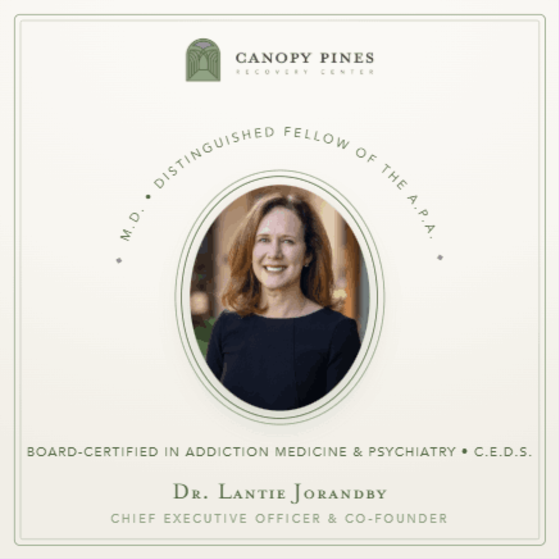
The article notes that today’s high-potency THC products (often exceeding 15% THC, compared with the 2–4% flower of decades past), combined with early initiation and frequent use, present the greatest risk on developing brains. Notably, the piece features insight from Lantie Jorandby, M.D., co-founder and CEO of Canopy Pines Recovery, who describes rising numbers of women presenting with cannabis use disorder alongside polysubstance dependence.
You can read the full article on Psychology Today.
Signs it may be time to seek treatment (especially with polysubstance use)
Cannabis use disorder is a recognized clinical diagnosis, and there are clear signs to suggest it may be time to seek professional help. These can include using it more often than intended, unsuccessful attempts to cut back, strong cravings, and continued use despite problems with work, school, relationships, or mental health. Tolerance (needing more to feel the same effect) and withdrawal symptoms such as irritability, sleep disturbance, anxiety, or appetite changes are also indicators of dependence.
As the Psychology Today article emphasizes, cannabis is often not the only substance involved — it appears within a more complex substance abuse picture that includes nicotine, alcohol, opioids, stimulants, or the misuse of prescription medications. Polysubstance use can accelerate the progression from recreational use to dependence, and complicate co-occurring conditions like depression, anxiety, or psychosis-related symptoms, which is why a comprehensive clinical evaluation is important versus trying to address one substance in isolation.
How Canopy Pines treats cannabis addiction
At Canopy Pines Recovery, cannabis use disorder and co-occurring conditions are treated across a full continuum of care, so the level of support can be matched to each woman’s clinical needs.
For those who need round-the-clock structure and medical oversight, residential treatment provides a stable, supervised environment to stabilize and begin recovery. A partial hospitalization program (PHP) offers intensive, day-long clinical programming for women who need substantial support but not overnight care, while the virtual intensive outpatient program (Virtual IOP) delivers structured group and individual therapy remotely — an option that can help women continue working, studying, or caring for family while still receiving evidence-based treatment. Because cannabis use disorder so often overlaps with polysubstance use and mental health conditions, care at Canopy Pines is led by clinicians experienced in dual-diagnosis treatment, including medical oversight from triple board-certified Chief Medical Officer Lantie Jorandby, M.D.
Benefits of women-focused treatment at Canopy Pines Recovery
Canopy Pines Recovery is a women’s-only program, and that focus shapes the entire treatment experience. Research and clinical experience indicate that women can differ from men in how substance use disorders develop and progress — sometimes moving more rapidly from use to dependence — and in the psychiatric vulnerabilities and co-occurring disorders they experience.
A gender-specific setting allows care to address concerns that are often central to women’s recovery, including trauma histories, relationships and caregiving roles, and reproductive health considerations such as cannabis use during the childbearing years. In a supportive, women-centered community, clients can build trust and connection more easily, engage openly in therapy, and work toward lasting recovery with a treatment team that understands their specific needs. The goal is not only to stop substance use but to help each woman rebuild her physical health, emotional well-being, and sense of resilience.